
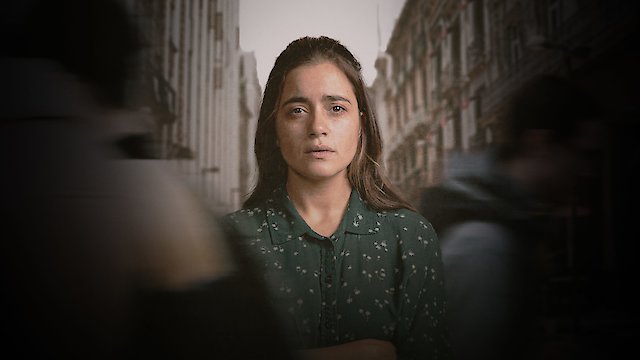
No Fue Mi Culpa

Where to Watch No Fue Mi Culpa

No Fuego Mi Culpa is a Latin American anthology series that premiered on Hulu in 2021, and as part of a collection, each season is envisioned to tackle a different country's story centered around a critical and pervasive issue within the society: violence against women. The 2021 season, subtitled "Lorraine", delves into a harrowing narrative inspired by real events, sensitively illustrating the multi-layered impact of gender-based violence. Although the series is set in a specific regional and cultural context, the themes are universally resonant and contribute to broader discussions on women's safety, justice, and the social systems in play.
The anthology format allows for an in-depth exploration of the psychology, the societal structures, and the personal relationships affected by incidents of violence. This approach also offers viewers an illuminating glimpse into the lived experiences of the characters, who represent various facets of life, from the victims and their families to the law enforcement officers and the perpetrators themselves. This widens the scope of the narrative, going beyond the immediate circumstances and delving into the aftermath of such tragic events and the fight for justice in a system that can often seem indifferent.
No Fue Mi Culpa brings together strong performances by a cast drawn from across the region, with nuance and sensitivity that ensures the delivery of a socially conscious message without resorting to exploitation or sensationalism. The show's "Lorraine" season is not merely an account of a crime but rather an intimate portrayal of survival, resilience, and the pursuit of justice.
The setting is as much a character in the story as the individuals we follow. Through meticulous production design and cinematography, viewers are invited into the environment that shapes the lives of the characters, presents the challenges they face, and sometimes contributes to the narratives that allow violence to continue unchallenged. Each location is portrayed with an eye towards authenticity, from bustling city streets to quiet residential areas, creating an immersive backdrop that enhances the storytelling.
Central to the series is an exploration of the cultural and systemic issues that perpetuate cycles of violence and silence. The show does not shy away from confronting hard truths, including the obstacles individuals face when seeking help from authorities, the stigmatization of victims, and the societal expectations placed on women that often compound their plight. Addressing these themes within the narrative framework, No Fue Mi Culpa stimulates crucial dialogue and enhances awareness of gender-based violence and its many ramifications.
As the story unfolds, the audience is taken on a journey that encompasses moments of despair, courage, and powerful bonding among victims and allies alike. There is a focus on the strength of community and the possibility for solidarity and support in the face of a seemingly overwhelming struggle. This highlights the potential for change at both the personal and societal levels, offering a vision of hope and advocating for the possibility of transformation through collective action.
The handling of the narrative is careful not to reduce its characters to archetypes or their experiences to mere plot devices. The writers and director work to ensure that each person we encounter is given depth, flaws, and motivations, resulting in a representation that feels genuine and emotionally resonant. This approach allows the audience to connect with the characters on a human level and engenders empathy towards their plight and a vested interest in their journey toward justice or resolution.
Beyond its narrative elements, No Fue Mi Culpa boasts a distinct visual style. The series skillfully employs contrasting color palettes and lighting to evoke different moods and underscore the emotional journey of the characters. Whether it is through the starkness of the interrogation room or the warmth of a family home, the visual language of the series is thoughtfully designed to enhance storytelling and immersion.
In terms of storytelling structure, the series encompasses a mix of linear and non-linear elements. Flashbacks are utilized judiciously to provide context and background to the central narrative, allowing for a more profound understanding of character motivation and past events. This patchwork of timelines weaves together a complete and complex picture of the circumstances surrounding the central story.
Apart from being a gripping drama, No Fue Mi Culpa maintains a commitment to social impact. The series not only entertains but also educates, sparking reflection and discussion among viewers. In presenting the raw realities faced by women and the systemic hurdles in addressing violence against them, it pushes for greater awareness and advocacy, a testament to the power of television as a medium for social commentary.
No Fue Mi Culpa, with its first season subtitled "Lorraine", stands as a poignant, unflinching portrayal of a critical social issue, showcasing the power of narrative television to open eyes and hearts to the lived experiences of others and to invite a call to action against violence and for justice.
No Fue Mi Culpa is a series categorized as a new series. Spanning 1 seasons with a total of 10 episodes, the show debuted on 2021. The series has earned a moderate reviews from both critics and viewers. The IMDb score stands at 7.0.
