
Neshoba

Where to Watch Neshoba

Neshoba is a documentary film released in 2008 that delves into a haunting chapter of American history—the 1964 murders of civil rights workers Chaney, Goodman, and Schwerner in Neshoba County, Mississippi. Directed by Micki Dickoff and recorded against a backdrop of a deeply divided American South, the film serves as an exploration of racial tension, justice, and the haunting legacy of hatred.
At the center of the narrative is Edgar Ray Killen, a former Ku Klux Klan member and the principal figure associated with the murders. Initially, the film provides a historical account of the 1964 civil rights movement and the dangers faced by those advocating for social justice in the Jim Crow South. It recounts the motivations behind the trio's journey to Mississippi, where they sought to register African American voters and confront systemic racism. The documentary sets the stage by presenting the social climate of the time, characterized by hostility toward those fighting for equality and the violent opposition they faced.
Through interviews with historians, civil rights activists, and residents of Neshoba County, Neshoba unfolds the complex layers of the local community's response to the murders. The film highlights how the murders shocked the nation, drawing attention to the violent realities faced by those who dared to challenge the status quo. It captures the sense of urgency and fear that permeated the civil rights movement, as activists risked their lives to advance the quest for justice and equality.
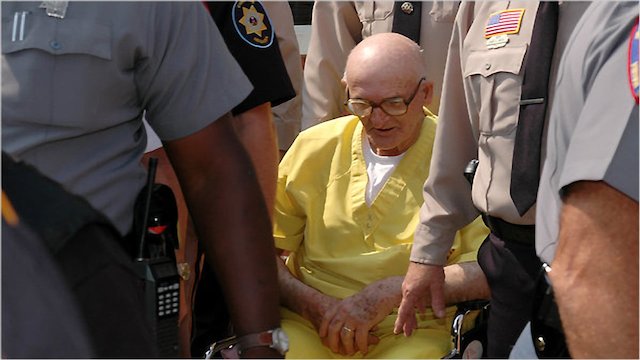
As the film progresses, viewers are introduced to the investigation and subsequent trials surrounding the murders. The filmmakers artfully juxtapose archival footage with contemporary interviews to create a vivid picture of a community grappling with its past. Edgar Ray Killen, who was ultimately tried for conspiracy to commit murder in 2005, becomes a focal point in the narrative. The portrayal of Killen is complicated; he is presented not just as a perpetrator of violence, but also as a product of a time and culture rife with racism and intolerance. His indifference and justifications for his actions offer insights into the mindset of individuals who perpetuated such violence, raising questions about personal culpability and societal complicity in systemic injustice.
Neshoba also examines the impact of the murders on the victim's families and the broader community, shedding light on the enduring trauma that racial violence inflicts. Interviews with family members provide poignant reflections on loss, grief, and the quest for justice over the decades. Their personal stories resonate with the audience, emphasizing that the struggle for civil rights is not just a historical event, but an ongoing fight rooted in the experiences of those who lived through it.
The film further highlights the evolution of attitudes within Neshoba County and the broader American society. As audiences watch the testimonies unfold, they are challenged to confront their perceptions of race relations then and now. The narrative encourages a reflection on how far the nation has come—and the distance still to travel—regarding equality and reconciliation.
Cinematically, Neshoba is crafted with sensitivity and purpose. The filmmakers employ a mix of archival footage, photographs, and personal anecdotes to weave a compelling narrative that invites viewers to engage with this dark chapter in history. The film's pacing allows for moments of contemplation, encouraging the audience to reflect on the events being discussed rather than merely witnessing them.
Neshoba is not just a recounting of historical events; it is an exploration of the ongoing implications of those events in contemporary America. It prompts viewers to confront uncomfortable truths about race, justice, and memory. As discussions about racial equity and reconciliation continue to dominate public discourse, this documentary holds particular relevance, challenging viewers to think critically about the legacies of racism and violence that persist today.
In conclusion, Neshoba is a powerful documentary that challenges audiences to reflect on a pivotal moment in American history through the lens of horror, grief, and ultimately, the quest for justice. By delving into the lives of Chaney, Goodman, and Schwerner, and the community that still grapples with the aftermath of their brutal murder, the film serves not only as a reminder of the past but as a call to action for the future. It stands as a poignant testament to the sacrifices made in the name of civil rights, urging viewers to acknowledge the ongoing fight for equality and remind us all that the past is never truly behind us.
Neshoba is a Documentary movie released in 2008. It has a runtime of 86 min. Critics and viewers have rated it mostly positive reviews, with an IMDb score of 7.8. It also holds a MetaScore of 71.
How to Watch Neshoba
Where can I stream Neshoba movie online? Neshoba is available to watch and stream at Prime Video.

