

Westinghouse Desilu Playhouse: The Man in the Funny Suit
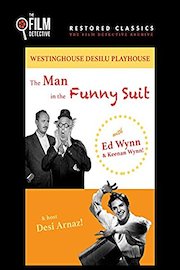
Westinghouse Desilu Playhouse: The Man in the Funny Suit

Where to Watch Westinghouse Desilu Playhouse: The Man in the Funny Suit

Westinghouse Desilu Playhouse: The Man in the Funny Suit centers around the televised drama series Chrysanthemum in primitive black and white photography. This particularly thrilling episode that aired during the 1950s and 60s features the unique theme of capturing the essence of comedy mixed with reality through a story arc. A period artifact of the golden age of television, this riveting episode promises excellent performances and a compelling narrative that transcends decades.
This heartwarming episode showcases the captivating talent of Desi Arnaz, a beloved actor known for his role in "I Love Lucy,"and Ed Wynn, a shadowy figure who has been an enigmatic figure in the world of television and stage comedy. Desi Arnaz, with his dashingly good looks and irresistible charm, dominates the screen with his unparalleled presence. The often underrated Ed Wynn, who is best remembered for his remarkable vaudevillian and comedic performances, bewitches the audiences with his unparalleled versatility.
In this installment, Arnaz's and Wynn's characters find their lives intertwined in one of the most comedic fashions imaginable. Their relationship epitomizes a playful bond, which in turn paints a vivid portrayal of human connectivity threaded through laughs and sentimentality. The narrative swings from their professional relationship to their private life, containing a plethora of emotions, smiles, conflicts, and a resolution that leaves you vigorously titillated.
The Man in the Funny Suit centers its focus on the struggles, conflicts, and triumphs in the life of a performer, particularly emphasizing the implications of the character played by Wynn. Wynn's character, equipped with his funny suit, becomes a symbol of the performer's dichotomy life, whereby comedic exterior often belies the serious, sometimes painful realities lurking beneath.
This installment sees Desi Arnaz showcasing a multitude of heretofore unknown aspects of his acting skills. His expressiveness and charisma along with his comedic skills set a vibrant and dynamic atmosphere, bringing an incredible depth to his character. A multi-faceted thespian, Arnaz's performance is effortlessly synchronized, with the rhythm and tone of the narration while maintaining an overall equilibrium of the storytelling.
Ed Wynn, with his unique comedic style, offers a bittersweet portrayal of a good-hearted, yet often misunderstood, man trying to fit into a world that challenges him at every turn. Clad in his funny suit, he becomes an embodiment of resilience, hope, strength, and human spirit, even when things seem bleak. The role is a stark deviation from his usual portrayal, reaffirming his versatility as an actor.
Westinghouse Desilu Playhouse: The Man in the Funny Suit stands out with its rawness and emotionality, beautifully disguised under the layers of comedy. It intricately blends drama, comedy, and realism, making it an experience that travels beyond the confines of the conventional televised drama.
The dialogs are elegantly written and layered, aptly capturing the complex human emotions and struggles of being in the entertainment industry. The carefully planned humorous interludes do not overreach but rather add a charm and warmth to the narrative. This episode is an example of a rich, unabashedly detailed, and emotionally resonating screenplay.
The direction is precise, deciding when to focus on the funny elements and when to shift its gears toward the serious undertones of the narrative. The cinematography subtly captures the 50s meant-to-be-serious set, lending the narrative an appealing visual tone. The black-and-white cinematography beautifully compliments the grim elements, enhancing the seriousness imbued by the story while maintaining its charm.
With its clever storyline, impressive screenplay, and remarkable performances, Westinghouse Desilu Playhouse: The Man in the Funny Suit promises an entertaining yet emotionally satisfying viewing experience. It's a masterpiece with an underlying layer of commentary on the entertainment industry. This episode will leave audiences contemplating the complexities of the world within and beyond the 'funny suit' long after the credits roll. It's more than just an episode—it's a piece of history, a significant representation of the golden era of television, and most importantly—television storytelling at its best.