NOVA: The Planets
NOVA: The Planets

Seasons

Watch NOVA: The Planets Season 1 Episode 5 Now

Watch NOVA: The Planets Season 1 Episode 4 Now

Watch NOVA: The Planets Season 1 Episode 3 Now

Watch NOVA: The Planets Season 1 Episode 2 Now

Watch NOVA: The Planets Season 1 Episode 1 Now
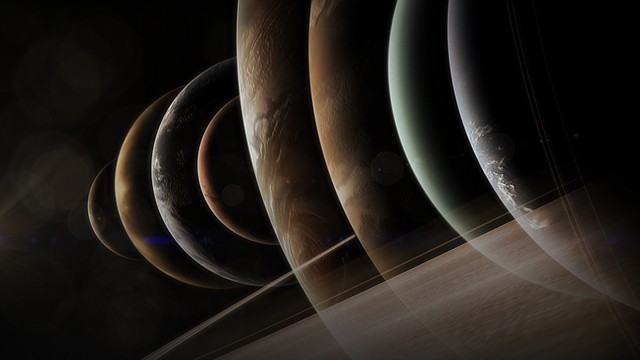
NOVA: The Planets is an astronomical journey that takes its viewers on a vibrant and comprehensive exploration of the solar system. This is a quintessential five-part science-based documentary released in 2019 by PBS (Public Broadcasting Service). The show illuminates the grandeur and the mysteries of our neighboring planets, bridging the knowledge gap between scientists and viewers by roping in the expertise of renowned experts from NASA and other planetary research institutions.
Each episode is crafted meticulously to offer an incredible journey to each of the celestial bodies revolving around our sun. The balanced mix of scientifically accurate and well-illustrated information takes viewers through the intricacies of each planet, depicted with high-quality CGI, actual footage, and data gathered by scientific expeditions.
The tone of the series is heavy on factual information, but it is also tempered with a tinge of wonder and awe, sparking curiosity and fascination among viewers. It aims to feed the curiosity of space enthusiasts, providing answers to how these bodies were formed, what they are composed of, and how they behave.
The series begins with an episode focused on our innermost planet, Mercury, ramping up interest by detailing its hardly known volcanic activities and unusual geological events. From here, the journey leads to Venus, Earth's 'evil twin', revealing its hostile and hellish terrain with a detailed description of its high temperature and thick acidic clouds. Unexpected facts about the landscapes and atmospheres of these planetary bodies are illuminated, shedding new light on what was previously known.
Pausing upon Earth, the series presents our planet not merely as our habitat, but as an entity with its unique dynamic and life-sustaining capacities. Moving on to the red planet, Mars, the show delves into the prospects of human colonization in the future, factoring in the scientific and technical challenges that would entail. It expounds on the planet's geological evidence, divulging intriguing finds on the potential likelihood of once having harbored life.
The gas giants, Jupiter, Saturn, Uranus, and Neptune, are given their due reverence as the series soars outward. The audience is treated with stirring detailed visuals of violent storms on these colossal bodies, their assortment of moons, and the various probe missions carried out to crack their many mysteries. Jupiter’s deadly radiation, Saturn's gigantic and ethereal rings, an in-depth look into Uranus and Neptune's icy clutches, all paint a vivid picture that reshapes previous perceptions.
One episode also takes an intriguing detour to shed light on the dwellers of the cold, dark outskirts of our solar system, the dwarfs, which include Pluto, and the billions of icy bodies in the asteroid belt and Kuiper Belt. The show's portrayal of these distant worlds invites a profound curiosity about these far-off reaches, delivering a feeling of being on a voyage of discovery at the edge of our solar system.
One of the strengths of NOVA: The Planets is the inclusion of first-hand stories from the scientists involved in various space missions. This compassionate perspective adds an emotional stratum to the series, wrapping the scientific facts with tales of human determination and the thirst for knowledge.
The narration by actor Zachary Quinto (known for his portrayal of Spock in the rebooted Star Trek franchise) is seamless and engaging. Quinto guides the viewer through these interplanetary journeys, weaving information and storytelling into a symphony of fascination and inspiration, making complex science easy to understand and immensely enjoyable.
NOVA: The Planets is a testament to mankind's unyielding curiosity and our tireless explorations in the pursuit of understanding our cosmos. The series richly rewards those who embark upon this journey, offering an in-depth understanding of the solar system that we are part of, inspiring awe and respect for the grandeur of the universe around us.
Although released in mid-2019, it is still a highly relevant watch, given its comprehensive stake on the solar system's planets based on cutting-edge findings up until its release. Whether you are a novice or a long-time science enthusiast, NOVA: The Planets manages to reach out to the wide spectrum of its audience, making this tantalizing trek through the universe an enlightening and entertaining experience.
In conclusion, NOVA: The Planets is not just a science series; it is an immersive cosmic safari that provides a spectacular journey to the distant planets and reveals the truths of our own, making it a must-watch for anyone intrigued by the beauty of our universe. A love letter to the cosmos, this series offers eye-opening insights into what lies beyond our world and elevates our understanding of the enormity and intricacy of the space we inhabit.
NOVA: The Planets is a series categorized as a new series. Spanning 1 seasons with a total of 5 episodes, the show debuted on 2019. The series has earned no reviews from both critics and viewers.
How to Watch NOVA: The Planets
How can I watch NOVA: The Planets online? NOVA: The Planets is available on PBS with seasons and full episodes. You can also watch NOVA: The Planets on demand at Prime, Prime Video online.