

Pygmalion: Classic Movie
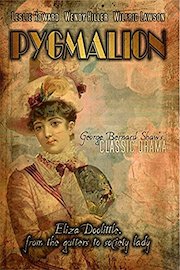
Pygmalion: Classic Movie

Where to Watch Pygmalion: Classic Movie

Pygmalion is a time-honored classic, first gracing the screens in 1938. Inspired by George Bernard Shaw's acclaimed stage play of the same name, it weaves a compelling tale of transformation, class struggle, and the complex nuances of human relationships. The film is a black and white masterpiece, one that flaunts the combination of a compelling storyline, nuanced performances, and a sharp, insightful script. A landmark example of intelligent cinema, Pygmalion is as intriguing and relevant today as it was on its debut.
The movie is set against the backdrop of 1910s London and portrays class differences in sharp relief. It presents the story of Professor Henry Higgins, an eccentric and somewhat arrogant linguist who embarks on a bet to transform a poor Cockney flower girl Eliza Doolittle into a sophisticated lady. The movie sheds light on their interactions and the transformative journey Eliza undertakes under Higgins's stern guidance, crossing the barriers of socio-economic norms and entering the realm of high society.
Leslie Howard plays the title role of Professor Higgins with a compelling flair, while Wendy Hiller shines as Eliza, delivering performances that are both captivating and memorable. Howard successfully portrays the snobbish, peculiar yet highly intelligent linguist striving to mould Eliza into a genteel woman. Wendy Hiller's performance, on the other hand, is the bedrock of the film with her moving transformation from a raggedy flower girl into a woman of grace and dignity. With their unparalleled acting prowess, Howard and Hiller breathe life into their characters and leave an indelible mark on the viewers.
In the film, the disparity between the social classes is stark, brought out vividly through the character's dialogue, costumes, and demeanor. The transformation of Eliza is not just restricted to a mere accent change. The journey ruptures the shackles of her earlier life, engulfing her in entirely new mores, etiquettes, and conduct, translating into larger societal impacts. The film artfully examines this intersection of language, class, and perception, making it a social commentary as much as it is a tale of transformation.
Staying true to its theatrical roots, Pygmalion offers viewers a dramatic, impactful story accompanied by clever dialogues filled with wit and levity. The screenplay, also penned by George Bernard Shaw, successfully transposes the sharp, sparkling, and witty repartee from the stage to the screen. Directed by Anthony Asquith and Leslie Howard, the film masterfully combines humor, drama, and romance in a narrative that is compelling and thoroughly enjoyable.
At its core, Pygmalion is a love story, albeit an unconventional one. There is no overt display of affection between the protagonists, yet their chemistry is subtle and palpable. It showcases the delightful bond that gradually develops between Eliza and Higgins, adding an undercurrent of complexity and appeal to the narrative. Their relationship, layered and multi-dimensional, sustains the viewers' interest and keeps them invested in the characters and their journey together.
Visually speaking, the film offers a stark portrayal of London during the early 20th century. The beautiful cinematography adds deeper layers to the story, moving effortlessly from Eliza's humble flower market to the opulent drawing rooms of the city’s high society. Pygmalion's set pieces, costume designs, and its earnest recreation of the period contribute to the overall allure of the film.
Despite being a product of its time, Pygmalion's themes resonate today. The underlying commentary on class barriers, societal norms, and the transformative power of education and speech still ring true. The movie leaves audiences pondering the validity of judging one's worth based on their speech and social standing, offering invaluable insight into the layered complexity of human society.
Overall, Pygmalion, with its compelling narrative, unforgettable characters, outstanding performances, and social commentary, is a classic that tests the boundaries of traditional cinema. It stands as a testament to the power of storytelling, the beauty of the English language, and the unwavering impact of nuanced, sensational performances. Whether you're a fan of classic cinema or new to the genre, Pygmalion is indeed a cinematic treat worth savoring.