
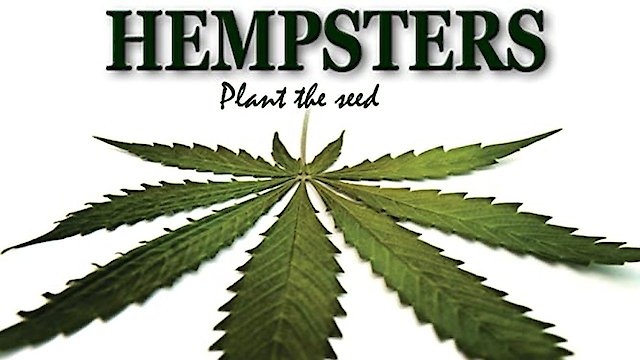
Hempsters: Plant the Seed
Hempsters: Plant the Seed
 7.1/10
Where to Watch Hempsters: Plant the Seed

Hempsters: Plant the Seed released in 2010, is an enlightening documentary exploring the controversial and often misunderstood world of Hemp. The movie comes with a vital and timely message about this extremely versatile plant which due to its association with marijuana, is illegal to grow in the United States.
This eye-opening movie stands as a testament against the prejudices surrounding hemp, largely due to its botanical closeness to marijuana. Hemp, unlike Marijuana, does not possess a high THC level to qualify as a psychotropic drug. Instead, it can be harvested for various industrial and commercial uses, including textiles, food, paper, biofuel, and more. This film sets out a compelling case for the legalization and exploitation of hemp farming in the United States.
The movie features a strong lineup of hemp advocates. These include Woody Harrelson, an Academy Award-nominated actor known for his fervent support for the plant, country music icon Willie Nelson, and the late Merle Haggard, a performer and a social crusader famous for his “Okie from Muskogee” which became the anthem for the working class.
In Hempsters: Plant the Seed, Woody Harrelson immersed himself into genuine Midwest America, where he gets involved in the debate on industrial hemp farming. The film not only documents Harrelson’s journey, but also provides a snapshot into the lives of other hemp activists. It illustrates their struggles with a system that aims to sustain the status quo. Harrelson challenges the laws surrounding hemp, even demonstrating civil disobedience prominently to call out the system's inconsistencies.
Willie Nelson, renowned for both his music and environmental activism, provides a voice of reason and wisdom throughout the film. Nelson’s farm in Texas was one of the platforms used to leverage the hemp cause. He brings significant contributions to the cause through Farm Aid organization, highlighting the economic benefits that hemp farming would provide to the American farmer.
Perhaps some of the most poignant moments in the film arise from Merle Haggard's input. A beloved country music outlaw and innovative songwriter, Haggard's sincere, down-to-earth perspective gives the documentary an added layer of credibility as he echoes the struggles of the American farmer trying to keep their heads above financial water.
Africa has the argue spot on the war on drugs while Europe brings focus to the fact that the United States is the only developed country that still bans the cultivation of industrial hemp despite being one of the largest importers of hemp products. The movie is jampacked with testimonials from farmers who highlight how growing hemp could drastically change their lives and contribute to a greener, more sustainable economy.
The eye-catching cinematography, the vivid imagery of hemp fields and the engaging background score play a significant part in keeping the film lively and dynamic. Apart from the eye-opening dialogue on hemp and its potential, what makes this film unique is its storytelling approach. It's not just a drug narrative or a lead character's journey, but a movement-- a revolution waiting to happen.
The film effectively questions America's prohibition laws, propagating that hemp is far from dangerous narcotic. In fact, it's a sustainable, renewable resource that could provide countless potential benefits to society at large, from helping struggling farmers to lessening our dependence on non-renewable resources.
Hempsters: Plant the Seed, ultimately, is a clarion call for change – a challenge to uproot outdated and harmful stereotypes, and sow the seeds of a better and more sustainable future. As such, it serves as a bold and informative documentary, an absolute must-watch for anyone interested in environmental sustainability, human rights, and the future of farming. It serves as an essential tool for education, awareness, and a bold advocate for a shift in perception of hemp. Come for the celebrity cast, stay for the provocative message and profound vision of what could be our sustainable future.
7.1/10