

Dampati
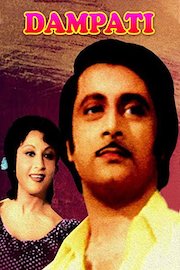
Dampati

Where to Watch Dampati

Dampati is a captivating Indian drama film, released in the early 1960s, that delves into the complexities of love, marriage, and societal expectations. Starring the iconic Mala Sinha alongside the charming Tarun Kumar, the film is a heartfelt exploration of the dynamics between couples and the trials they face in a world steeped in tradition and cultural norms.
The story unfolds in a picturesque setting, showcasing vibrant landscapes and the everyday lives of its characters. At the heart of Dampati is the relationship between the lead characters, portrayed by Sinha and Kumar, who embody a blend of romance, emotional depth, and resilience. Their on-screen chemistry is palpable, drawing audiences into their journey as they navigate the intricacies of their marriage.
Mala Sinha's portrayal of the female protagonist is both poignant and powerful. She embodies a strong yet vulnerable woman who grapples with the expectations placed upon her by society and her own desires. Sinha's remarkable acting skills enable her to capture the nuances of her character's emotional landscape, making her relatable to viewers. Meanwhile, Tarun Kumar brings his own brand of charm and sensitivity to the role of the husband. His performance complements Sinha's remarkably, as they portray a couple whose love is tested by external pressures and internal conflicts.
As the narrative unfolds, the film delves into themes of duty, sacrifice, and the quest for personal happiness. The couple faces various challenges, including familial obligations, financial hardships, and societal judgments—all of which put a strain on their relationship. The film skillfully navigates these obstacles, allowing for rich character development and emotional investment from the audience.
Dampati is set against a backdrop of traditional Indian values, where social customs and norms play a significant role in shaping the lives of its characters. It captures the essence of the era, illustrating the stark contrast between personal ambitions and societal expectations. The filmmakers poignantly convey how marriage, often seen as a bond of love, can sometimes feel more like an arrangement influenced by external factors, which can lead to misunderstandings and conflicts.
The cinematography of Dampati enhances the storytelling, with beautiful frames that capture the emotional highs and lows of the characters’ journeys. The visuals are complemented by a melodious soundtrack, typical of the era, which adds an additional layer of depth to the narrative. The music serves as a bridge between poignant moments, elevating the emotional weight of the scenes, and inviting the audience into the characters' experiences.
The supporting cast also plays a crucial role in enriching the narrative. Each character adds nuance to the story, whether they are family members, friends, or societal influences. Their interactions with the central couple highlight the various perspectives on love and marriage, creating a tapestry of experiences that resonate with the audience. These characters reflect diverse viewpoints, from traditionalists who uphold age-old customs to more modern individuals who challenge the status quo.
The dialogue in Dampati is another highlight, imbued with wit and wisdom that reflects the characters' personalities and societal positions. The screenplay deftly navigates moments of tension, tenderness, and humor, offering a balanced portrayal of the complexities of human relationships. The conversations reveal not just the individual aspirations of the couple but also the broader societal expectations they must contend with.
As the film progresses, the emotional stakes rise, leading to a series of thought-provoking moments that compel viewers to reflect on their own notions of love, commitment, and fulfillment. The story does not shy away from depicting the harsh realities of life, underscoring the idea that love alone may not always be sufficient to navigate the challenges of marriage. It invites the audience to ponder the sacrifices and compromises people must sometimes make for the sake of their relationships.
In its exploration of the trials of married life, Dampati remains relevant even today, resonating with audiences who may find parallels in their own experiences. The film encapsulates the timeless struggles of balancing personal desires with familial obligations, making it not just a story about a couple, but a narrative that speaks to the universal quest for happiness amidst constraints.
Overall, Dampati emerges as a thought-provoking and emotionally rich film, anchored by strong performances from its leads and a well-crafted narrative. It is a timeless reflection on love and its complexities, making it a significant entry in the Indian cinema of its time. The film invites audiences on a journey filled with ups and downs, prompting them to reflect on the true meaning of partnership and the enduring power of love in the face of adversity.