
14-18: The Noise and the Fury
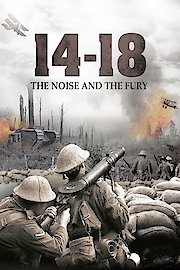
14-18: The Noise and the Fury
"The astonishing story from the front line of World War One in unprecedented detail."
 7.9/10
Where to Watch 14-18: The Noise and the Fury

14-18: The Noise and the Fury is a war documentary directed by one of France's leading filmmakers, Jean-François Delassus. Released in 2008, the film is aided by the fantastic and emotional narration by Alexandre Astier. Using a unique approach, the film brings alive the experiences of those who lived through one of the most devastating wars in global history - World War I. The title itself, 'The Noise and the Fury,' is descriptive of the tumult and chaos of war, especially one as globally impactful as WWI.
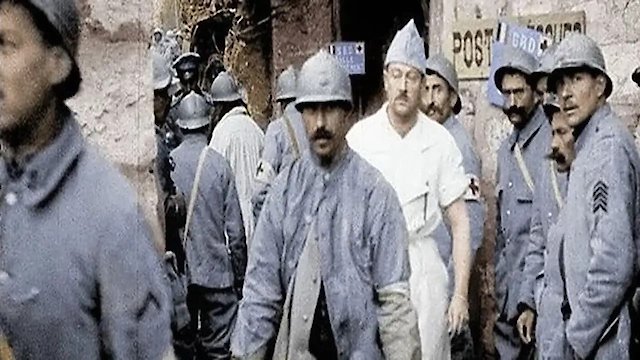
This documentary film masterfully employs original footage, modern colorization techniques, and 3D conversion to paint a picture of what it was like on the frontlines of the war. This use of modern technology allows a present audience to truly empathize with the old soldiers' experiences, by making the events, experiences, and hard realities of the war easily relatable and accessible to the public.
The director takes us on a journey commencing in 1914 and culminates in 1918, covering both the commencement and ending of World War 1. The film artfully employs soldiers' correspondences, diaries, and testimonials to depict the human struggle and endurance during these times. With Alexandre Astier's rhythmic voice-over, we are given an intimate and emotional entry into their world of fear, grappling with mortality, camaraderie, and even moments of joy in bleak times.
While the narrative opens with the apparent joviality and anticipation of young soldiers awaiting an adventure, it quickly evolves into a tale of disillusionment and suffering ensuing from the fear and reality of war. It explores the contrast between the idealistic notions of glory associated with war, contrasted with the harsh reality experienced by the soldiers. It depicts the unprecedented loss of life, the horrors of trench warfare, and the devastating effects of mustard gas, starvation, and disease.
This period documentary does an excellent job drawing attention to the dichotomy between the euphoria of those who supported the war from the safety of their homes and the harsh reality faced by the men on the field, exposing a fissure between the home front and the front lines. The film generates sympathy for common soldiers who, despite being embroiled in a savage war fueled by political agendas, were simply young men akin to their counterparts in the opposing trenches. The shared experiences of these men are highlighted, subtly reflecting on the futility of war.
The film also comments on the significant shifts taking place on the sociopolitical front. It indirectly draws parallels between the prevalent attitudes of the time and the events unfolding on the global stage. It captures how the War's consequences shaped world politics, economies, cultures, and even future warfare methods.
While the film is an examination of human courage, resilience, and enduring spirit amidst chaos and destruction, it's also a poignant critique of war. It dissects war as a human conflict, highlighting the effects it had on the lives of innocent common people, while being a stark reminder of the consequences of global conflict.
The film does not glorify war but instead provokes reflection on such an event's enduring impact on individuals and societies. This exploration of human experiences makes the documentary more than just a period piece or a historical record. It becomes a powerful story about people, personal trials, and human resilience.
In 14-18: The Noise and the Fury, Jean-François Delassus and Alexandre Astier bring forth more than just a history lesson; they tell a genuinely human story. They innovate the way we look at and explore historical footage, using it to depict the vivid human aspect of historical events, thus bringing the past to the present.
This documentary marks an important contribution to the genre as it effectively brings to life an era which may be fading in the collective memory. It honors the sacrifices made by a generation while prompting the viewers to reflect on broader themes like war's costs, the human capacity for endurance, the futility of conflict, and the world's shared history. It leaves viewers with a palpable sense of the period, a deeper understanding of the war, and an unbeatable sense of respect for those who survived and those who didn’t. The documentary is a heartfelt homage to those who have experienced the noise and the fury of this significant slice of history.
7.9/10