
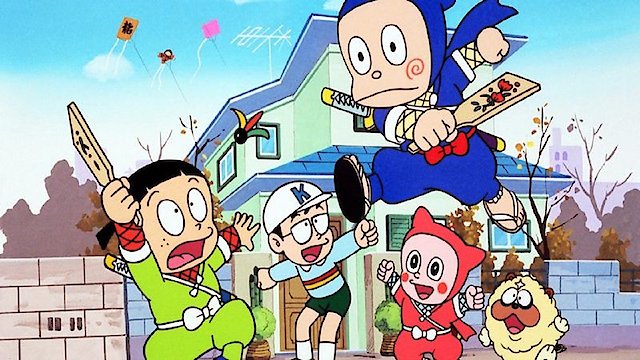
Ninja Hattori
Ninja Hattori
Cancelled
 7.3/10
Seasons

Ninja Hattori, a classic Japanese animated cartoon series, aired originally from 1981 to 1987. The show is a quintessential part of many individuals' childhoods who grew up in the 80s and 90s, given its syndication in numerous countries around the globe, including India. Masterfully created by Motoo Abiko (known also by his pen name Fujiko Fujio A), a prominent manga artist and the co-creator of Doraemon, the television series is based on a manga series under the same name.
At its core, Ninja Hattori is set with a distinctive background where the seamless collision of modern life and ancient ninja teachings offers a cohesive narrative. It ensured the show's capacity to deliver a unique appeal, subtly yet influentially promoting values such as friendship, mutual respect, commitment, and loyalty amongst its audience.
Giving a brief overview, the central plot follows the genesis of an unlikely friendship between a young boy named Kenichi Mitsuba and a skilled young ninja named Hattori Kanzo. Hattori is not your typical kid; he belongs to the Iga clan, a lineage of ninja warriors from the feudal era of Japan. Accidentally, he lands up in the modern city while making his way to Edo (Tokyo) and ends up being the friend and protector of Kenichi, who is about the same age as him.
Kenichi Mitsuba, an average 10-year-old living an ordinary life, is comedic, slightly lazy, and overshadowed by his better-achieving peers. The show witnesses a transformative arc on Kenichi's part as he gets emboldened by Hattori's presence and resilience, who teaches him how to navigate the balls life throws at him. The dynamic between Kenichi and Hattori forms the heart of the story, where the duo embarks on various adventures in each episode.
Supporting their journey are other delightful and memorable characters such as Shishimaru, the ninja dog who is a loyal companion to Hattori. Shishimaru portrays a happy and curious figure who loves food and often provides the lighter, humorous side of the episodes. Another key character is Shimzo, Hattori's younger brother, who, like a typical younger sibling, looks up to and aspires to be like his elder brother.
The antagonistic vibes are provided by Kemuzo Kemumaki, another ninja from the rival Koga clan, and his ninja cat, Kagechiyo, who consistently attempt to disrupt Kenichi and Hattori's friendship. Their sinister yet often-failed plans are a source of both tension and humor in the series.
The show employs a fine blend of comedy and action through engaging ninja techniques and plot devices. It effectively uses the contrast between modern-day Tokyo and the ancient ninja life, forging comedy through the daily situations where Hattori applies ninja solutions to regular problems. The magical and martial art skills are illustrated in every episode, captivating kids and adults alike with the show's creativity and charm.
Ninja Hattori eloquently speaks several social and moral values without compromising on the entertainment factor. Many episodes convey the significance of humility, honesty, hard work, courage, and respect for all beings. It also subtly breaks stereotypical gender plots, introducing charming female characters, notably Yumeko Kawaii, Kenichi's love interest, and Tsubame, a highly skilled Koga clan ninja.
Finally, what adds to the timeless appeal of Ninja Hattori is the vivid and vibrant animation style, portrayal of characters with empathy, balanced humor, and seamless blend of fantasy and reality. Its iconic soundtrack and Japanese folk music elements further enrich the show, making it a fond and enriching story for audiences across geographies and generations. Despite airing over three decades ago, the show is still popular and has etched itself in the hearts of many, continuing its syndication even today. It continues to inspire, entertain, and teach values to the younger generations, making Ninja Hattori a vintage classic in the realm of animated television shows.
Ninja Hattori is a series categorized as a cancelled. Spanning 2 seasons with a total of 53 episodes, the show debuted on 1981. The series has earned a moderate reviews from both critics and viewers. The IMDb score stands at 7.3.