
Go Go Gophers
Go Go Gophers
 7.5/10
Seasons

Go Go Gophers was a memorable and entertaining piece of cartoon history produced by Leonardo Productions. It originally aired during the late 1960s, specifically from 1966 to 1968. The show revolved around the exciting and adventurous lives of two gopher characters who represented members of the indigenous American community. Their journey was enhanced by the rich colorants of the 60s animation style that was prominent during that era.
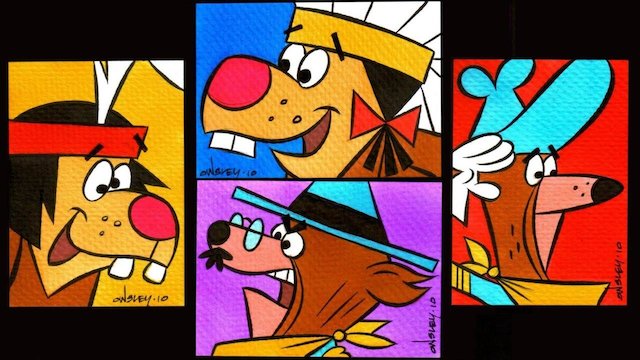
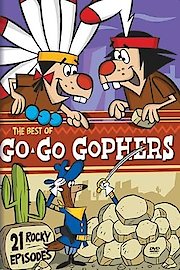
The primary stars of Go Go Gophers were two gopher brothers colloquially named Ruffled Feather and Running Board. Ruffled Feather, recognizable with his full headdress, was seen as the idea man of the duo. He could often be heard giving out the signature "ugga mugga" call. His brother, Running Board, donned a single feather on his head and was often enlisted to carry out Ruffled Feather's ideas because of his physical strength.
As might be expected of a show from this period, the characters' portrayals were somewhat flippant and filled with slapstick humor. However, it is crucial to understand this type of characterization within the context of the time when Go Go Gophers was produced.
In each episode, the Gophers were up against their primary antagonists, Colonel Kit Coyote and Sergeant Okie Homa. They belonged to the U.S. cavalry and were always devising plans to evict the gophers from their homeland. Okie Homa, being the loyal subordinate, would help implement the Colonel's evictions schemes. However, they were habitually thwarted by the clever tactics of the Gophers.
Colonel Coyote's character was especially interesting, incorporating elements of stereotypical villainy – his aristocratic yet ineffective leadership, angular designs, and distinctly devious laughter made for a consistent entertainment factor. Sergeant Homa, represented with a much more physical prowess than his superior officer, often found himself carrying out the heavy lifting in their failed attempts to outmaneuver the Gophers.
The show was structured with a classic episodic layout, where each installment would consist of the cavalry’s new attempt to seize the Gopher's territory, leading to comedic failure. This, inevitably, would result in the Gophers enjoying another victory day in their home, based in Gopher Gulch.
One of the striking elements that made this production stand out was the vibrant animation style. The cartoon incorporated elements of pre-dominant animation stylistics of the time, combining them with rich, bold colors and the exaggeration of elements for comical effect. Furthermore, the animated expressions and reactions of the characters in various instances provided a hilarious feast for the eyes.
In addition to its visual appeal, Go Go Gophers also had an engaging and memorable theme song, which added to the overall fun and lively vibe of the show. The show's theme song, taking on a catchy sequence, showed the characters dancing and singing along, preparing the audience for the comical twists and turns of the episode ahead.
Despite only spanning for a brief period, Go Go Gophers also showcased the sentiment of the time, particularly the nuanced relationships between different communities. It was an amalgamation of the wit, humor, and art style of the 60s, captivating many young viewers of the era.
The show was compiled as part of the "Underdog" series, seeing its re-run in the years following its initial release. This continued engagement with the audience even after its production years is a testament to the timeless charm and appeal that Go Go Gophers possessed. It not only provided memorable entertainment but also made a notable addition to the era of classic animated television history. As a creative endeavor of Leonardo Productions, Go Go Gophers was a cartoon series that offered humor and a peek into the blend of cultures, presented in a way that was befitting of its time.
Go Go Gophers is a series categorized as a new series. Spanning 1 seasons with a total of 2 episodes, the show debuted on 1966. The series has earned a mostly positive reviews from both critics and viewers. The IMDb score stands at 7.5.