

Women at War 1914-1918
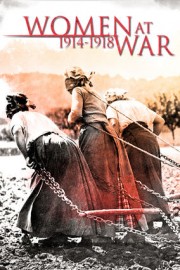
Women at War 1914-1918

Where to Watch Women at War 1914-1918

The French documentary film "Women at War 1914-1918," depicts the significant role that women played during the First World War. Directed by Fabien Beziat and Martin Melkonian, and narrated by renowned French actress Nathalie Baye, the film delves into a lesser-known aspect of WWI history, shedding light on the many ways women’s lives were changed as they were thrust into completely new roles.
As the war took most of the men away to the frontlines, women had to shoulder the burden of not only running households but also sustaining society and the economy. “Women at War 1914-1918," beautifully highlights how women stepped into roles typically reserved for men, venturing into factories, farms, hospitals, and schools. Moreover, it illustrates their invaluable contribution to sustaining what was left at home while the men of their families were away at war.
The film is not just an account of women’s work on the home front but also a tribute to the countless women who contributed directly to the war effort, either by serving as nurses on the front lines, leading patriotic initiatives, or enduring the hardship as prisoners of war.
The documentary charts this monumental shift in the societal structure and gender norms of the time through a combination of dramatic re-enactments, historical photographs, film footage, and written excerpts from letters, diaries and newspapers of the era. All these elements come together to weave a compelling narrative that brings the audience face-to-face with the reality of that harsh era.
The narrative is further enriched by Nathalie Baye's voices over in the documentary. Her delicate yet assertive narration, skillfully brings to life the stories of these women, giving viewers a sense of the courage, resilience, and grit these women exhibited during such testing times. Her authentic interpretation of the material aids in both understanding the historical context, as well as empathizing with the individual experiences outlined in these first-hand accounts.
A striking aspect of "Women at War 1914-1918" is its detailed portrayal of the social, political, and cultural changes spurred by the war. The film raises pertinent questions about the transformations in gender expectations, and how these changes influenced the women’s movement of the time and beyond. The film isn't afraid to address these matters head-on, providing a rich socio-historical commentary on the relation between the war and feminist struggles of the period.
Moreover, Beziat and Melkonian employs a mindful approach towards the characters they portray, highlighting both the triumphs and tribulations experienced by the women. They manage to humanize history, giving a face to those who often go unnoticed in narratives of the past.
The film’s cinematography is praiseworthy as well. The filmmakers make brilliant use of archival footage, combining them seamlessly with reenactments that are shot in a manner that matches the aesthetics of the period. This amalgamation of old and new adds an interesting depth to the film, capturing the somber mood of the time while also highlighting the resilience of the human spirit.
In conclusion, "Women at War 1914-1918" serves not only as an essential historical document but also as a piece of powerful storytelling. It is an inspirational, often deeply moving portrayal of women who stood up and are still standing in the lion's mouth. Not only does it tell their tales, but it also manages to encapsulate the powerful societal transformations which continue to shape the world we live in today.
With its mature handling of complex issues, compelling narrative, and impeccable production, “Women at War 1914-1918” is more than a movie—it is a tribute, a history lesson, and a poignant reminder of the immeasurable strength of women. This is a must-watch for anyone interested in history, feminism, or compelling human stories.