

Waltzes From Vienna: Classic Alfred Hitchcock Movie
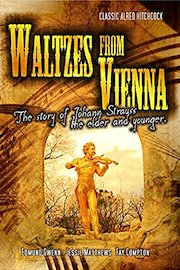
Waltzes From Vienna: Classic Alfred Hitchcock Movie

Where to Watch Waltzes From Vienna: Classic Alfred Hitchcock Movie

Waltzes From Vienna, also known as Strauss' Great Waltz, is a 1934 British musical comedy film directed by the legendary Alfred Hitchcock. Typically known for his suspense thrillers, Hitchcock once described this film as the "lowest ebb" in his career, yet it remains a charming piece with its comedy and romance. This film is a delightful deviation from his norm and showcases a more playful side of Hitchcock, making it a critical part of his extensive cinematic repertoire.
The film is a light-hearted biographical account of Johann Strauss II's creation of his most famous waltz, "The Blue Danube." The story takes place in 19th century Vienna and is packed with comedic moments, romantic intrigue, and delightful musical numbers. Waltzes From Vienna is indeed enchanting with its endearing performances, effervescent score, and clever use of comedic devices. Irrationally reluctant to follow in his famous father's musical footsteps, the young man grapples with his artistic inclinations, forcing him to choose between what he loves and what everyone expects.
In terms of casting, audiences are captivated by the charm of the main character, Johann Strauss (played by Esmond Knight), who attempts to carve out his signature sound despite pressure from his father, Johann Strauss Sr. (played by Edmund Gwenn). The relationship between the father and son as they navigate life and music creates a central theme of the film – the conflict between enduring classics and rising novelties.
The film also features vivacious performances from Jessie Matthews as Rasi, a charming and ambitious saleswoman at a local bakery, and Fay Compton as Countess Helga von Stahl, a noblewoman who adores Strauss's music. The relationship Johann forms with both women not only serves to heighten the comedy and romance plotlines but also indirectly influences the creation of Strauss's masterwork. The dynamics between the trio beautifully unfold on screen, capturing viewers' attention and tugging at their heartstrings.
Waltzes From Vienna is a lavish period film resembling an operette on film and a testament to Hitchcock's versatility as a director. The sumptuous set design and authentic period costuming transport the audience back in time to 19th century Vienna, a golden age of waltzing. The visual elements of the film contrast the simplicity of the bakery with the opulence of the Countess's palace, providing the perfect backdrop for the captivating drama to unfold.
Musically, the film is rich with some of Strauss's most iconic works. From the lively beats of the polka to the sweeping grandeur of the waltz, the film's score serves as much a character as the engaging cast. The film's climax is a masterful montage sequence that Hitchcock fans will immediately recognize. The sequence showcases the orchestra performing "The Blue Danube," and through a series of creative shots, Hitchcock brilliantly ties every subplot together, encapsulating the magic, romance, and beauty of Viennese music, further evidence of his directorial prowess.
Waltzes From Vienna might not be instantly recognized as an Alfred Hitchcock film. However, for those interested in diving deep into the filmography of one of cinema's most influential directors, it is a worthy and enlightening experience. While it may not be the suspense thriller Hitchcock is best known for, this cheerful romantic comedy showcases the director's ability to flexibly cross different genres and his early command of film storytelling.
In conclusion, Waltzes From Vienna delivers an engaging portrait of Strauss's musical brilliance, intertwined with comedic, romantic subplots. It's a charming cinematic journey into 19th century Vienna—and an interesting footnote in the career of a masterful director. It stands as a testament to Hitchcock's immense talent and is absolutely worth a watch for any film history buff or Hitchcock aficionado.