

Volta A Terra - Back to the Land
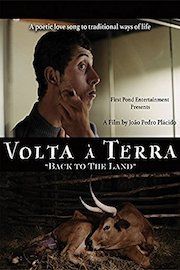
Volta A Terra - Back to the Land

Where to Watch Volta A Terra - Back to the Land

Volta A Terra, or Back to the Land, is a heartwarming and insightful film directed by João Pedro Plácido. The documentary highlights the bucolic beauty and simple charm of rural Portugal, bringing to life the story of its inhabitants in the village of Uz, deep in the mountains of Northern Portugal.
The film, almost poetic in nature, takes viewers on a journey through four seasons, unfolding the timeless tale of a changing landscape and an evolving village. It looks at the survival of age-old traditions in the face of modernity and the resilience of the villagers. It creatively finds a balance that appreciates modern progress, while simultaneously emphasizing the harmony of traditional pastoral ways and their stark contrast with an increasingly urbanized world.
Being a most idyllic village, Uz, largely forgotten by time, operates behind the scenes of modern civilization. Its simplicity, combined with the wild beauty of its rugged landscape, serves as an enchanting backdrop to a lifestyle that is rapidly disappearing in Europe.
The primary focus of the film revolves around Antonio, a young shepherd, who dreams of love and celebrates the festive spirit of his village. The life of Antonio, just like many of his fellow villagers, is deeply interwoven with nature and the seasons, his daily rhythm dictated by the need of his livestock. Through candid shots and an unfiltered perspective, we get well-acquainted with Antonio's simple existence, his joys, his struggles, and his aspirations.
By shifting the focus from the village to Antonio, Plácido brings forth an interrogation of the human dimension in this process of preserving culture. Often secluded due to his profession, Antonio's development of meaningful bonds with the animals he tends to exhibits a poignant relationship that transcends the typical human-animal dynamics we encounter in urban settings.
The film also brings to light the annual traditions and customs followed by the villagers. Celebrated in high spirits, these rituals hold the essence of their culture and community togetherness. They mark the passing of seasons and reflect the villagers' amalgamation with the natural world. The rites, reciprocated with joy and enthusiasm, paint a beautiful image of communal cohesion. These age-old practices, despite seeming obsolete in places overwhelmed by technology, have stood the test of time and still thrive in Uz.
Back to the Land goes on a beautifully orchestrated exploration of the inhabitants’ relationship with the land they dwell in and their dependence on it for food, warmth, and livelihood. Their existence coalesces with the changing seasons, their responsibilities determined by nature's rhythm. The people of Uz have seemingly mastered this ebbed flow of existence, where traditional wisdom is valued over quick solutions and patience is the most admired virtue.
Through Plácido’s stunning cinematography and deeply intimate storytelling style, the film brings the viewer into the heart of this seemingly lost world, compelling them to question our collective perception of progress and ‘the good life’. Amidst the cacophony of technology and hustle of modern life, Back to the Land takes us through a tranquil journey, encouraging us to appreciate the beauty of this slow-paced lifestyle.
What's astonishing about Back to the Land is not just its visual splendor but its ability to surface a sense of longing for a forgotten way of life, where relationships, with the human and natural world, held more weight than material possessions. The film's non-judgmental narrative nudges viewers to introspect about the rapidity of contemporary life and the undeniable charm rooted in the rhythm of nature and simple living.
Back to the Land is a compelling visualization that juxtaposes modern life with traditional lifestyles seamlessly. It's not just a cinematic journey but also a lens for the audience to witness, reflect, and appreciate the beauty and wisdom of rural life. This exploration propels viewers to think about their own relationships with nature, tradition, and fellow human beings in the 21st century.