
ThuleTuvalu
ThuleTuvalu
 7.4/10
Where to Watch ThuleTuvalu

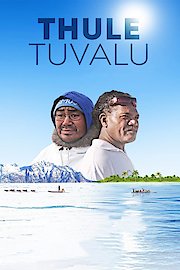
ThuleTuvalu is a powerful documentary released in 2014, bringing an ingenious idea to the forefront and effortlessly transforming it into an insightful cinematic experience. This movie is directed by Matthias Von Gunten, and stars everyday individuals such as Rasmus Avike, Lars Jeremiassen, and Patrick Malaki. They are the real-life inhabitants of two remote regions halfway around the world from each other, focusing on their tales and hardships.
ThuleTuvalu exposes the intimate realities of climate change by demonstrating what is at stake for the people living in Thule, Greenland, in the Arctic, and on the Tuvalu islands in the Pacific. In these two locations, the ongoing climate change is not just a theoretical debate but an alarming reality that is affecting their everyday lives. Through these two contrasting geographies and the inhabitants who reside within them, ThuleTuvalu brings us face to face with the real impacts of climate change, far from the sanitized debates and discussions often held in comfortable, urban settings.
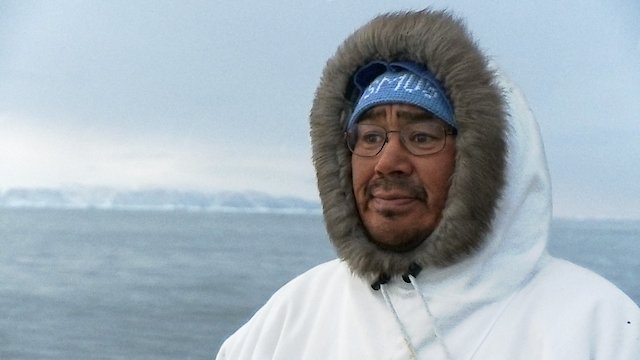
In Thule, the Arctic region located in the north of Greenland, with Rasmus Avike and Lars Jeremiassen as representatives of the community, we see that people’s traditions and lifestyles rely heavily on ice fishing and dog sledding. These time-honored pursuits are increasingly becoming hazardous as climate change makes the ice layer thinner and less predictable, thus exposing the community to new risks. The Arctic's icy landscapes, traditionally seen as frozen and unchanging, are increasingly subject to cracks, ruptures, and sudden collapses, endangering lives and livelihoods.
Conversely, in the Polynesian nation of Tuvalu, situated in the Pacific Ocean, Patrick Malaki represents the local inhabitants who are dealing with the consequences of rising sea levels. This small, low-lying island nation has become a symbol of the repercussions of global warming, with its very existence under threat as rising seas erode its coastlines and saline intrusions jeopardize its freshwater supplies. ThuleTuvalu shows us how dependent this nation is on fishing and subsistence agriculture, both of which are disrupted as a result of these changes.
Bringing together these two narratives, the film highlights a remarkable paradox. As the ice caps in Thule melt due to rising global temperatures, they subsequently raise sea levels, threatening to submerge the small island nation of Tuvalu. Therefore, one represents the source of a problem that becomes a tragic consequence for another.
ThuleTuvalu keeps the narrative raw and regales us with an honest, revealing portrayal of climate change. It blends the microcosm stories of these individuals with the macro view of global climate change, unravelling an intricate tapestry woven with threads of humanity, wisdom, and a deep empathy for our planet. The cinematography is striking and captures the raw beauty of both places, effectively underlining the critical nature of the issue at hand.
The movie also manages not to succumb to the rhetoric of despair or finger-pointing, yet it successfully makes its point. ThuleTuvalu insists that it is time for everyone to acknowledge the ramifications of climate change. However, the film does not stop its narrative by merely reflecting on the problem. Instead, it forges ahead, examining potential solutions, highlighting the resilience of its central figures, and showing the power of community and human spirit in addressing challenges and adapting to new realities.
The documentary succeeds in accomplishing something fundamentally important—moving the conversation about climate change away from the abstract and into concrete, human terms. It makes climate change something that is happening now, not in some distant future, to everyday people—people with names and faces, people like Rasmus, Lars, and Patrick.
Moving, aesthetically pleasing, and deeply insightful, ThuleTuvalu is a must-watch for anyone wanting to confront the reality of climate change. It poses critical questions about our relationship to our environment and forces us to look into the mirror, revolutionizing our perspective on the world and our place within it. Regardless of where you are physically located, ThuleTuvalu reminds us that we are all on the same planet, and the challenges faced by one community ultimately resonate across continents and oceans, influencing us all.
7.4/10