

The Ten-Year Lunch
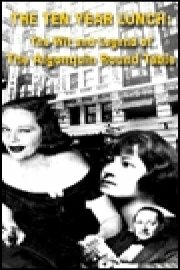
The Ten-Year Lunch

Where to Watch The Ten-Year Lunch

The Ten-Year Lunch is an engaging and revered documentary film directed by Aviva Slesin that immerses viewers into the grandeur of the past, restoring an era when words were bigger than the individuals who wrote them. The film centers around a collection of New York writers, critics, actors, and wits—known collectively as the Algonquin Round Table. This intriguing group turned the roaring 20's into a booming alteration of art, literature, and commentary, their influence resonating even in contemporary cultural and social landscapes.
Drawing inspiration from real-life history, The Ten-Year Lunch explores the renowned group's meetings that took place over lunches at New York's Algonquin Hotel. The film underscores the establishment's critical role as a meeting place for this brilliant collection of artists over the course of ten years. The Algonquin group comprised some of the most celebrated names of the time, including Critic Alexander Woollcott, Playwright George S. Kaufman, Humorists Dorothy Parker and Robert Benchley, among others.
The documentary employs a reflective narrative, nostalgically revisiting the Round Table's dynamics and relationships. The name of the film, while overtly referencing the length of time during which these literary lunches took place, subtly encapsulates their impactful and rich discussions, characterized by the participants' quick-witted, sharp, and clever exchanges—they injected humor and lightness into even the most critical topics of the day. The film decodes their conversations—sometimes laden in satire or irony—as the group drew from each other's diverse experiences and points of views to broaden and deepen their own perspectives.
The Ten-Year Lunch revives the 20's glamour, and at the same time, artistically balances elements of comedy, drama, and memoir. The group's diverse personalities, their intellectual ferocity, and their penchant for humorously absurd circumstances truly shine through, offering viewers nuanced insights into their lives. One of the documentary's strongest points is its faithful representation of the group's mutual inspiration and influence, shedding light on how they significantly shaped American literature and criticism.
Yet, the film does more than simply rehash historical records; it brings together disparate strands of biographies through engaging storytelling. Director Slesin deftly intertwines each member's distinctive voice, integrating superbly curated archival footage, rare photographs, and interviews with those who lived in or remembered these times. These unique elements combine beautifully to portray the Round Table's energy and charm, along with its expected and unexpected paradoxes. The result is an evocative look into a vibrant epoch in cultural history, successfully lucid and intimate despite spanning across time.
While the documentary extensively explores the bull sessions at the Algonquin Round Table, it also pays significant attention to the individuals behind these intellectual colloquies—their personal lives and challenges and the profound legacies they left in their respective fields. It reveals the human aspect of these literary icons, brilliantly captured through anecdotes, personal narratives, and their own works, all woven into the narrative seamlessly. Amid fast-paced dialogues and good-natured jesting, we see the vulnerabilities and strengths of these characters, the highs and lows of their lives.
The film does not shy away from presenting the complex nexus of friendships, rivalries, romances, and professional collaborations within the group, making for a multi-layered viewing experience. The Ten-Year Lunch effectively uses humor, wit, and pathos, to evoke nostalgia and appreciation for a bygone era. It is not just a celebration of the Round Table's collective genius but also an intimate exploration of their individual achievements and the personal costs they bore.
In summary, The Ten-Year Lunch offers a robust and striking insight into an influential circle of wits that existed before the advent of instant communication—bringing to life how a group of innovative individuals used the power of wit, words, and wisdom to leave an everlasting mark on American culture and style. The film examines the group’s pivotal role in challenging norms and values, pushing the boundaries of art and literature during their time, and forever changing the landscape of creative expression. Despite its historical focus, the themes and individuals the film explores are still resonant today, making it compelling viewing for lovers of history, literature, art, and culture.