

The Peony Pavilion
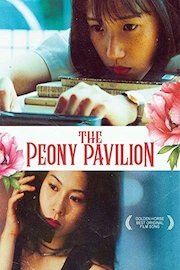
The Peony Pavilion
 6.5/10
Where to Watch The Peony Pavilion

The Peony Pavilion is a beautifully crafted film that blends romance, tragedy, and the richness of Chinese cultural heritage into a mesmerizing visual and emotional experience. Directed by acclaimed filmmaker who captures the essence of traditional storytelling, the film stars Joey Wang and Rie Miyazawa, who deliver poignant performances that breathe life into their characters.
Set in the enchanting landscapes of ancient China, The Peony Pavilion draws inspiration from one of the most renowned works of classical Chinese literature, a 16th-century play by Tang Xianzu. The narrative revolves around the themes of love, longing, and the tension between reality and dreams, all of which are beautifully encapsulated in the film’s intricate storytelling and stunning cinematography.
At the center of the tale is Liu Mengmei, a young scholar portrayed by a talented actor who embodies the character’s sensitivity and intellect. Liu is introduced to the audience as an ambitious student who hopes to succeed in his examinations and attain a respectable position in society. Yet, the pressures of his societal obligations weigh heavily upon him, leaving his heart yearning for something deeper and more fulfilling.
Joey Wang shines in her role as Du Liniang, the female protagonist who is the embodiment of beauty and grace. Du Liniang is characterized by her spirited individuality and her desire to experience love. She is initially confined to the conventional expectations of her family and society, but her dreams and aspirations lead her into a world of passion and romantic fantasies. Her character serves as a representation of the timeless struggle between personal desires and societal constraints, making her an incredibly relatable figure.
The key plot point of the film revolves around a dream that Du Liniang experiences, which becomes a catalyst for the entire narrative. In this dream, she meets Liu Mengmei in a picturesque garden filled with blooming peonies—symbolizing love and beauty. Their encounter is ethereal and enchanting, marked by shared moments of poetry, laughter, and a budding romance that transcends the boundaries of time and reality. The film elegantly blurs the line between the dream world and the waking life, allowing viewers to immerse themselves in the depth of emotion that the characters experience.
Rie Miyazawa plays a significant role in the film, bringing an air of mystique and elegance to her character. The chemistry between her and Joey Wang is palpable, as the two women navigate the complex emotions tied to love, desire, and heartbreak. The film’s exploration of female friendship and solidarity is a refreshing aspect that adds depth to its romantic narrative. Both characters are portrayed with an intricacy that highlights their vulnerabilities and strength, weaving a tale that resonates with themes of empowerment.
Visually, The Peony Pavilion is a feast for the eyes. The film’s cinematography is rich and evocative, capturing the lush colors of the gardens, the intricate patterns of traditional Chinese architecture, and the delicate textiles of the costumes worn by the characters. The attention to detail creates an immersive atmosphere that transports viewers to another time and place, inviting them to witness the beauty of the setting as a character in its own right.
The film also integrates elements of music and dance, which are integral to the narrative. Traditional Chinese musical scores enhance the emotional landscape of the story, serving as a complement to the characters' experiences. The seamless choreography of dance sequences adds another layer of artistic expression, allowing the characters to communicate their feelings beyond spoken words.
As the narrative unfolds, The Peony Pavilion delves into the intricacies of fate and destiny. The film examines the question of whether true love can triumph over the trials of life, including societal expectations and personal sacrifices. These themes resonate deeply with viewers, provoking reflections on the nature of love and the sacrifices people make in its name.
The Peony Pavilion is not just a romantic tale; it is a meditation on the human experience. It navigates the realms of desire, loss, and the ephemeral nature of happiness. The film offers a profound commentary on the pursuit of one’s passions amid the constraints imposed by society, reminding us of the courage it takes to follow one’s heart.
In conclusion, The Peony Pavilion is an exquisite cinematic adaptation that weaves together rich storytelling, breathtaking visuals, and powerful performances. With its focus on love, duty, and the collision of dreams with reality, it invites audiences into a world where emotion reigns supreme. The film stands as a tribute to the resilience of the human spirit and the timeless quest for connection—an enchanting journey that lingers long after the credits roll.
6.5/10