

The Man on the Eiffal Tower: Classic Maigret Mystery Movie
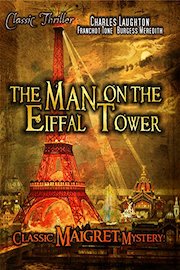
The Man on the Eiffal Tower: Classic Maigret Mystery Movie

Where to Watch The Man on the Eiffal Tower: Classic Maigret Mystery Movie

The Man on the Eiffel Tower is a gripping mystery thriller that also serves as a classic noir film. Released in the year 1949, the film's captivating plot revolves around a clever cat-and-mouse game amidst an intricate murder case set in the picturesque city of Paris. The film ingeniously merges elements of mystery, suspense, and psychological tension, which successfully manages to sustain audience interest from beginning till end. Throughout the course of the film, viewers can expect to witness the twisted threads of a masterfully crafted thriller unravel, where the unpredictability of the storyline truly becomes its strength.
In the center of all the suspense is the enigmatic character of Inspector Maigret, played with subtle nuance and charisma by Charles Laughton. As a Chief Inspector of the French police, Maigret symbolizes the quintessential detective - brilliant, patient, and relentless in his search for the truth. Laughton imbues his character with a beguiling blend of stern authority and deductive brilliance, exhibiting capabilities to connect relevant facts from what seems like unrelated incidents. His portrayal of Maigret is arguably one of the most authentic and humanistic renditions of a police inspector in classic cinema.
The plot is set in motion with a double murder case that seems inexplicably woven into the darker corners of Parisian life. The suspense begins to build rapidly when a penniless American medical student, William Kirby (played by Robert Hutton) gets entangled in the case, while the true murderer lurks somewhere in the shadows. The film is a fascinating portrayal of the use of psychological tactics to lure the real culprit into revealing himself. The tension is heightened further when the action and suspense literally rise to new heights, with a riveting climax at, as suggested in the title, the iconic Eiffel Tower.
What sets this film apart from other mystery classics of the same era, is the remarkable color cinematography. Beneath the film's lurid, colorful exterior and artful production design, lies a captivating exploration of human complexity, crime, and punishment. The cinematography of the film brilliantly captures the historic beauty of Paris and lends the audience the charm of the 'City of Lights' through their TV screens. At every turn of this tumultuous case, the city itself emerges as a silent character in the narrative, lending an element of romance to its grim storyline.
Another noteworthy aspect of this film is the supporting cast. Players such as Burgess Meredith (also the original director of the film) in the role of Joseph Heurtin, a knife grinder, and Franchot Tone who plays the mentally unstable Johan Radek, provide a commendable level of depth and intrigue to the film. The contrasting characters they portray, each with their unique eccentricities, add more layers to the already complex and twisted narrative.
In essence, The Man on the Eiffel Tower is not just another stereotypic murder mystery film. This film portrays an intelligently woven plot that celebrates the darker facets of human nature against an ironically picturesque background. Its artful balance of high tension, suspense, and well-timed revelations ensures that the audience will remain on the edges of their seats, eager to anticipate the movie's fascinating conclusion.
In conclusion, The Man on the Eiffel Tower is a classic mystery film that wraps you up in the suspenseful narrative from the very beginning. With its engaging storyline, well-rounded characters, splendid cinematography, and a finale that leaves you in awe, it’s a movie that truly stands the test of time as an archetypal thriller. Whether you're a fan of the detective genre or just a casual movie-goer looking for a timeless classic, The Man on the Eiffel Tower will undoubtedly live up to your expectations.