

The Buffalo Creek Flood: An Act of Man
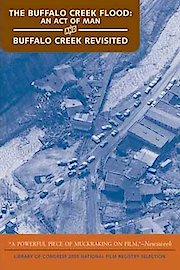
The Buffalo Creek Flood: An Act of Man
 5.7/10
Where to Watch The Buffalo Creek Flood: An Act of Man

The Buffalo Creek Flood: An Act of Man is an influential and heartbreaking documentary film released in 1975. The film sheds light on one of the most disastrous and history-shaping man-made calamities that took place in the year 1972 in West Virginia, United States. It takes its audience on a gripping journey of recollection and investigation, detailing the grim history, immediate impact, and everlasting ramifications of the event.
This catastrophic incident occurred when the Pittston Coal Company’s coal slurry impoundment dam gave way in the middle of a heavy rainfall event, releasing around 132 million gallons of black wastewater and causing a devastating flood. The incident resulted in the death of 125 people with over 4000 residents left homeless.
The film excels in its relentless fact-finding journey while drawing attention to the environmental recklessness linked to this disaster. The title of the documentary, ‘An Act of Man,’ was not declared arbitrarily. It explicates an underlying assertion - that this tragedy was not just an unfortunate act of nature but a sheer consequence of human ignorance, negligence, and irresponsibility.
Directed by Mimi Pickering, the documentary first takes the viewer to the heart of the calamity-stricken Buffalo Creek Hollow, showcasing the extent of the catastrophe through real footage, photographs, and heart-wrenching personal narratives of survivors. What follows is a series of prompted questions regarding the culprits behind the deadly flood, its aftermath, and the legal battle that ensued.
The director brilliantly uses these tools to unravel the reality, painting the true picture of corporate negligence leading up to the calamity and the grim reality of lax regulatory oversight of mining operations. The horrific repercussions of an unchecked mining industry and lack of solid safety measures are glaringly evident in the film, further inciting the audience’s anger and sadness.
Through interviews with survivors and stakeholders, we come face-to-face with the trauma and struggles faced by the residents. Their stories personify the communal pain and loss, which, coupled with the woeful visuals of the wrecked houses, debris-ridden roads, and the once nurturing creek turned deadly, leave an everlasting impact. This is the strength of the documentary – it brings forth the real human cost of the disaster, the tragic loss of life, and the collective trauma experienced by the community.
The film further contextualizes the Buffalo Creek flood by probing into the lawsuit filed by the survivors against the Pittston Coal Company. This legal battle reveals the extent of corporate apathy exhibited by influential businesses, drawing further attention to the systemic level of injustice and inequality.
Delving into the company’s response to the disaster, the documentary exposes the shocking truth of just how little value was held for those lives lost and the enormous destruction, underlining corporate greed over human safety. It shows the audience the tangibility of a system designed to protect powerful corporations instead of innocent lives.
Also central to the discussion is the lackadaisical implementation of federal regulations. By depicting the failure of federal regulatory bodies, the documentary drives the point home that the disaster was indeed avoidable and is a grave consequence of the careless exploits of man.
Although serious and gut-wrenching, the film ultimately instills a sense of public responsibility, encouraging viewers to question corporate accountability, expose malpractices and demand better disaster management policies. It situates the personal narratives within the wider socio-political context of capitalist exploitation, making it impossible to watch the film without being touched and, more importantly, moved to action by the horrifying narratives of loss and resilience.
In the end, The Buffalo Creek Flood: An Act of Man is a powerful example of documentary filmmaking at its best. It is a resounding call for justice, a cry for change, and a stark reminder of the grievous results of unchecked industrialization and corporate recklessness. Through its heartbreaking narratives and impactful visuals, it remains an influential piece of cinematic advocacy, still widely appreciated and used within academic, community, and environmental circles.
5.7/10