

The Bronze Screen: 100 Years of the Latino Image in Hollywood
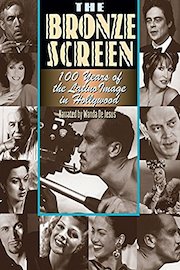
The Bronze Screen: 100 Years of the Latino Image in Hollywood

Where to Watch The Bronze Screen: 100 Years of the Latino Image in Hollywood

The Bronze Screen: 100 Years of the Latino Image in Hollywood is a compelling documentary that vividly illustrates the evolution of the representation of Latinos in American cinema. Narrated with a captivating blend of historical depth and poignant storytelling, this film showcases the contribution of iconic actors and filmmakers while critically examining the cultural significance and implications of how Latino characters have been portrayed onscreen.
At the center of this exploration are two influential figures: Benicio Del Toro and Anthony Quinn. Both actors, celebrated for their significant contributions to film, provide insight and perspective on the complex interplay between identity and representation in Hollywood. Del Toro, known for his intense performances and strong screen presence, brings a raw honesty to the discussion, while Quinn, a legendary figure in the industry, reflects on his own pioneering experiences as one of the first prominent Latino actors in American films.
The documentary spans a century, beginning in the early 20th century when Latinos were often depicted in stereotypical roles. These portrayals frequently reduced characters to caricatures, often serving as either the exotic sidekick or the nefarious antagonist. By examining such depictions, the film highlights the socio-political context of the times, revealing how external perceptions shaped the roles available to Latino actors.
As the narrative unfolds, The Bronze Screen delves into the gradual changes in storytelling and representation, showcasing pivotal films that began to challenge these narrow confines. Through interviews, archival footage, and expert commentary, viewers are taken on a journey that celebrates key milestones and examines the impact of landmark performances that helped to expand the roles available to Latino talent.
The film highlights transformative figures, including Rita Hayworth and Desi Arnaz, who undertook the challenge of redefining Latino characters in Hollywood. Their stories are interwoven with a broader examination of the industry's structures and the systemic hurdles talented Latino actors and creators faced throughout history. The documentary does not shy away from discussing the obstacles of underrepresentation and misrepresentation, poignantly analyzing how these challenges resonate into contemporary issues concerning diversity in filmmaking today.
Viewers are introduced to a variety of voices, many of whom have dedicated their careers to advocating for better representation of Latinos in media. The film features clips and discussions about films that push boundaries, such as the works of directors like Robert Rodriguez and Guillermo del Toro, who have sought to craft more nuanced and authentic depictions of Latino characters. The inclusion of these voices is crucial in framing how the industry has seen a shift in recent years, where there is a growing recognition of the need for diverse storytelling.
As The Bronze Screen progresses, it examines the unique challenges faced by Latino filmmakers and screenwriters. The documentary presents an in-depth look at the struggles against typecasting and the fight for agency within the storytelling process. By sharing personal anecdotes from actors and creators, the film emphasizes the importance of representation behind the camera as well as in front of it.
The film balances historical narrative with contemporary commentary, showcasing how representations have changed over time while reflecting on the ongoing challenges that still exist within Hollywood. It does not shy away from addressing the complexities of identity—exploring the intersection of race, culture, and the often conflicting narratives that arise in commercial cinema. This critical perspective allows viewers to engage with larger discussions about how media shapes public perceptions and cultural identity.
In addition to its critical insights, The Bronze Screen is visually captivating. The incorporation of vibrant film clips and the evocative use of music builds a rich pastiche of cinematic history. The documentary is as much a celebration of artistic achievement as it is a meditation on the ongoing fight for representation and equality in the film industry.
Ultimately, The Bronze Screen: 100 Years of the Latino Image in Hollywood serves a dual purpose: it is both a historical retrospective and a call to action. By illuminating the past, it provides a foundation for understanding the current landscape of Latino representation in film while inspiring future generations of creators to continue the fight for authentic and varied narratives within the industry.
As viewers immerse themselves in the stories and experiences presented in the film, they are left with a renewed appreciation for the power of cinema—a medium capable of both reflecting and shaping societal values. The documentary challenges audiences to question not just what they see on the screen, but also the stories that remain to be told, encouraging a richer dialogue about representation and the role of diverse voices in storytelling.