

Shingal: Feminicide in the Age of ISIS
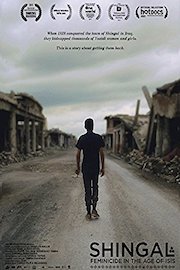
Shingal: Feminicide in the Age of ISIS

Where to Watch Shingal: Feminicide in the Age of ISIS

Shingal: Feminicide in the Age of ISIS is a poignant and harrowing documentary that delves deep into the traumatic experiences faced by the Yazidi women of Shingal in northern Iraq during the brutal occupation by the Islamic State (ISIS). This film captures not only the physical violence inflicted upon these women but also the overarching socio-cultural implications of their suffering in a world marked by extremism, misogyny, and sectarian strife.
The narrative unfolds against the backdrop of the 2014 ISIS offensive, which targeted the Yazidi community—a religious minority in Iraq—culminating in mass killings, abductions, and systematic sexual violence. The film portrays the grim realities of feminicide, highlighting how hundreds of women were kidnapped, enslaved, and subjected to horrific abuses, often echoing the wider systemic violence against women that has swept through conflict zones worldwide. It turns a critical lens on the intersection of gender-based violence and terrorism, revealing how ideology can exacerbate existing societal vulnerabilities.
Through powerful testimonies and firsthand accounts, the film brings to light the harrowing journeys of survivors who confront immense personal and collective trauma. Their stories are not just narratives of victimhood; they are also tales of resilience, fortitude, and the indomitable human spirit in the face of unimaginable horrors. The women featured in the documentary share their struggles in reclaiming their identities and dignity, illustrating how they navigate a world that often seeks to silence their voices.
Visually, Shingal is a stark contrast of desolate landscapes and the vestiges of the Yazidi culture, emphasizing the loss wrought by conflict. The cinematography captures both the beauty of the region and the scars left by violence, providing a poignant commentary on destruction and hope. Interviews with activists, community leaders, and scholars further contextualize the Yazidi plight within the broader scope of international human rights abuses, discussing global indifference, accountability, and the need for preventive measures to protect vulnerable populations.
The film is not merely a recounting of past events; it raises critical questions about the role of women in conflict and post-conflict societies. It addresses the gender dynamics at play, exploring how women are often seen as trophies or symbols in religious and ethnic struggles, while their voices and agency are frequently marginalized. As such, the documentary advocates for a deeper understanding of feminicide as an issue that transcends individual tragedies, calling for societal change and policy reforms to address the systemic roots of violence against women.
Shingal also touches on the role of the international community, examining how political dynamics and responses to the ISIS crisis have shaped the experiences of displaced and affected populations. The film raises ethical concerns regarding the obligation of nations to intervene and support victims of gender-based violence, challenging viewers to consider their own complicity or responsibility in addressing these global challenges.
The emotional weight of the documentary is further enhanced by its intimate portrayal of individuals and families grappling with loss and the quest for justice. While some survivors strive to rebuild their lives, others are still searching for lost loved ones, and the film poignantly captures these dichotomies of hope and despair. It serves as a reminder that healing is an ongoing process and that the echoes of violence resonate long after the physical conflicts have subsided.
In conclusion, Shingal: Feminicide in the Age of ISIS is an essential, thought-provoking work that sheds light on the urgent need to address violence against women in conflict zones. It not only memorializes the experiences of the Yazidi women but also calls for solidarity worldwide in the fight against gender-based violence. By presenting these stories with sensitivity and respect, the film invites viewers to engage critically with the issues presented, fostering empathy and understanding. It stands as both a tribute to the strength of those who have suffered and a clarion call for action against the injustices that women face in our contemporary world.