

Rwanda: Living Forgiveness
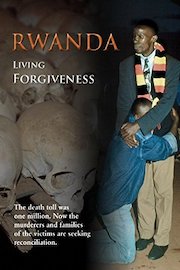
Rwanda: Living Forgiveness

Where to Watch Rwanda: Living Forgiveness

Rwanda: Living Forgiveness is a poignant and powerful documentary that delves into the aftermath of one of the most tragic events in modern history—the Rwandan genocide of 1994, where an estimated 800,000 Tutsi and moderate Hutu were brutally murdered in just 100 days. Released in 2004, the film explores the theme of reconciliation in a land scarred by deep-seated trauma and violence, shedding light on the human capacity for forgiveness amidst unimaginable suffering.
The narrative of the documentary unfolds through the experiences of survivors and perpetrators, creating a deeply emotional tapestry that captures the complexity of human relationships in a post-genocide society. The filmmakers provide an intimate view into the lives of Rwandans who are trying to rebuild their communities while grappling with the heavy burden of their past. This exploration is not simplistic; it acknowledges the myriad emotions that arise in the wake of such horror, including grief, anger, and the desperate longing for healing.
One of the central elements of the film is the unique approach to justice taken by Rwanda in the years following the genocide. Rather than adhering solely to a punitive legal system, the country implemented traditional Gacaca courts where community members could come together to discuss the events of the genocide, seek truth, and offer testimonies. This method emphasized reconciliation and healing, allowing for a communal process where victims could hear from the perpetrators and understand the motives behind their actions.
Through testimonials, the audience meets various individuals affected by the genocide. Some are survivors who lost family members, homes, and their sense of security, while others are former members of militia groups who participated in the killings. Their stories are told with a raw honesty that doesn't shy away from the horror of their pasts but rather illuminates the potential for understanding and shared humanity. Each character offers a unique perspective on forgiveness—a concept that seems daunting yet vital for collective healing.
The cinematography captures the stark contrasts between the lush landscapes of Rwanda and the emotional turmoil of its people. As the film weaves between personal accounts and broader societal reflections, viewers are presented with a rich context that illustrates how a nation can begin to heal. The lush greenery that symbolizes life and renewal stands in stark contrast to the deep scars left by violence. This visual juxtaposition heightens the emotional impact of the narrative.
In addition to exploring themes of forgiveness and reconciliation, the documentary addresses the complexities of identity and community in post-genocide Rwanda. The film surfaces questions about what it means to be Rwandan after such an upheaval. It delves into the struggle of coexistence between former enemies—how can individuals who were once on opposing sides of a brutal conflict learn to live together? How can trust be rebuilt in communities torn apart by violence?
Rwanda: Living Forgiveness also highlights the role of international aid and the global community's response to the genocide and its aftermath. It invites reflection on the responsibility of the world to prevent such atrocities in the future and examines the ongoing challenges that Rwandans face in rebuilding their society. The documentary doesn’t shy away from critiquing the limited involvement of international powers during the genocide, thereby urging viewers to recognize the importance of vigilance and advocacy in preventing future injustices.
The tone of the film is reflective, often somber, yet it ultimately carries a message of hope. It portrays the strength and resilience of the Rwandan people as they embark on a journey towards understanding and healing. By the end of the documentary, audiences are left contemplating the difficult yet important conversations surrounding forgiveness and the human capacity to overcome even the darkest moments of history.
Through its in-depth interviews and personal stories, Rwanda: Living Forgiveness serves not only as a historical account but also as a universal exploration of the themes of loss, redemption, and the quest for peace. It presents a compelling argument for the transformative power of forgiveness, reminding us that even in the face of violence and hatred, there lies an opportunity for growth, mutual understanding, and healing.
Overall, the film stands as a vital exploration of a nation’s struggle to confront its violent past while aspiring towards a more peaceful future. It invites viewers to engage with the complexities of morality, justice, and reconciliation in a way that transcends geographical and cultural boundaries, making it a thought-provoking experience for anyone interested in the themes of forgiveness and human rights.