

Reclaiming the Blade: History of the Sword
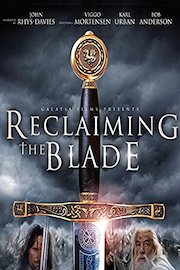
Reclaiming the Blade: History of the Sword

Where to Watch Reclaiming the Blade: History of the Sword

Reclaiming the Blade: History of the Sword is a comprehensive and engrossing documentary that takes its audience on a journey through time, tracing the origins, cultural significance, and evolution of the sword. The film is narrated by revered British actor John Rhys-Davies, known for his role as Gimli in "The Lord of the Rings" series, imbuing the narrative with a compelling sense of gravitas. Viggo Mortensen, another cast member from "The Lord of the Rings", also stars as himself, underscoring the unmistakable link between the sword history presented and their roles in the widely popular fantasy epics.
The film delves into the history of swords, testing the waters of time, and ferreting out the stories and legends that have become synonymous with these remarkable tools of battle. The sword isn't just presented as a simple weapon, rather, it extends to being a symbol of power, justice, and courage across various cultures. This versatile perception of the sword is well navigated through different timelines across the globe, from ancient Rome to feudal Japan, from medieval Europe to the Middle Eastern scimitars; the film leaves no stone unturned.
Certainly not limited to dry historical recountings, the film does a commendable job in embracing the influence of the sword in pop culture and film. This is where Mortensen comes into the picture, offering an actor's perspective on the significance of the sword in film. Healthy segments of the documentary take us behind the scenes into the world of sword choreography, revealing the skill and craftsmanship required in every sword-fight sequence that screens in films, especially noticeable in fantasy epics.
The narrative persistently fosters a sincere respect for the dedication and skill required by the men and women who dedicate their lives to remaking and reclaiming these swords—the blacksmiths and artisans who ensure that the art of sword-making persists in the contemporary world. It is these modern-day heroes, through their dedication to the craft, who continue to foster the relationship society has with swords beyond their utility in war.
The documentary also exemplifies the relevance and importance of swordsmanship today. It brings to light the disciplines of fencing, kendo, and medieval re-enactment, highlighting the continued influence of the sword in modern times. These disciplines, presented as a melding of art and sport, a training of the mind as well as the body, stand as a testament to the longstanding influence and respect the sword enjoys.
Reclaiming the Blade: History of the Sword ushers its viewers into a shared history and respect for the weapon that has played a quintessential role in shaping civilizations. One cannot deny the film's infectious fascination with the sword, evoking a sense of wonder and curiosity. With Rhys-Davies at the helm of the charismatic narrative, the film strikes an intricate balance between history, art, and entertainment.
Throughout its entirety, the documentary seeks to rekindle the connection between humanity and one of its earliest tools, aiming to assert the sword’s significance in the past and its relevance in the present. From its artistry to its utility, from its symbolism to its evolving perception across cultures and time, the film underscores the integral role that the sword has performed in influencing human history, and consequently, shaping the stories that we tell.
In conclusion, Reclaiming the Blade: History of the Sword serves as an interesting watch for history buffs, sword enthusiasts, film lovers, and anyone interested in exploring the enduring legacy of the sword that stretches beyond warfare and combat. It's an engaging blend of history, movie magic, and timeless craftsmanship that brings together different cultures and eras in a unifying narrative. It’s an open invitation into a world where the sword is not only a weapon; it’s a physical manifestation of courage, honor, and the age-old desire to master one's own destiny.