

Prisoner, The
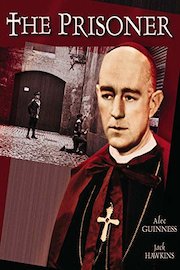
Prisoner, The

Where to Watch Prisoner, The

The Prisoner (1955) is a deeply evocative, engaging, and fascinating film that immerses viewers into a subtle exploration of the human spirit and the brutal game of psychological warfare. Directed by Peter Glenville, the film stars a line of remarkable talent such as the legendary actor Alec Guinness and the brilliant Jack Hawkins. This film invites the audience on an intense journey, made more complex by the incredible performances of its leading actors.
In The Prisoner, Alec Guinness plays a nameless cardinal in an Eastern European country, arrested by the state secret police. He is accused of treason against the state. His captors have one goal - to force a confession from him. Whatever the truth might be, the state seeks to manipulate it, using it to wield power and control over the people. Guinness delivers an enchantingly profound performance as the cardinal, depicting a man of deep faith and immense inner strength, continuously tested and challenged by his circumstances.
Contrasted sharply with Guinness' character is Jack Hawkins, who plays the ruthless, relentless, and cunning inquisitor. Hawkins is compellingly sinister, embodying an antagonist who uses psychological rather than physical torture, making his role far more sinister and disturbing. The strong seesawing power-dynamic between the two characters during their interrogation scenes becomes the heart of the movie, making viewers question the depth and frailty of human conviction when faced with relentless pressures.
Although the movie rests heavily on the psychological warfare between two characters, The Prisoner also delves into the broader issues of morality, truth, faith, and power. It provides a scathing critique of totalitarian regimes while also exploring philosophical and theological dilemmas. The movie intricately layers these topics, resulting in a profound cinematic experience that forces viewers to face uncomfortable and challenging questions about right, wrong, and the grey areas that exist between them.
The screenplay, written by the celebrated British playwright Bridget Boland, masterfully underlines the narrative's multi-dimensional aspects, delving into its politically charged contexts and emotionally intense character arcs. Additionally, the cinematography brilliantly exploits the stark contrast between the cardinal's sparse, prison cell and the sumptuously luxurious environs of the inquisitor's living quarters, highlighting the disparity in power and living conditions between the two men.
The soundtrack, delicately intertwined with key scenes, piles on the suspense and emotional charge, adding another layer of complexity to this gripping storyline. The Prisoner is shrouded in a veil of tension and unease, a testament to director Peter Glenville's ability to sustain the pressure-cooker atmosphere throughout the film's duration.
Alec Guinness' portrayal of the cardinal is etched with weariness, defiance, puzzlement, and an unshakeable faith that wavers yet never crumbles. His nuanced performance breathes life into the complex character, drawing sympathy and even admiration from the audience. On the other hand, Jack Hawkins' performance as the suavely cruel interrogator embodies the icy coolness of a man who will stop at nothing to break his prisoner.
Despite being essentially a two-man play, the film never feels claustrophobic thanks to its intense screenplay and the excellent performances of its cast. The Prisoner is a thought-provoking, profound study of strength, faith, and the resilience of the human spirit in the face of extreme adversity. Its relevance is not lost even though it was set in the past, making it a timeless cinematic masterpiece that lingers in the viewer's mind long after the credits have rolled.
With luminous performances, The Prisoner hits the spot by showcasing the rawness of human emotions, the intensity of their circumstances, and the dramatic intensity that unfolds in the cardinal's bleak prison cell. The film's enormous weightiness lies not just in the spoken words but also the powerful silences, making it a must-watch for those who appreciate rich, in-depth storytelling and sterling performances.