

Now We Live on Clifton
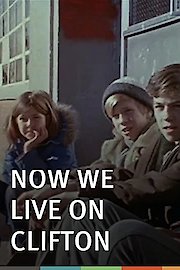
Now We Live on Clifton
 8.3/10
Where to Watch Now We Live on Clifton

Now We Live on Clifton is a captivating social documentary that was released in 1974. The film features the life of two Latino children, 10-year-old Pam Taylor and 12-year-old Scotty Taylor, who in the movie, reside in the Lincoln Park neighborhood of Chicago. This was a time when the Latino community was being displaced by commercial and residential developments, due to the Urban renewal programs of the '70s. Through the innocent eyes of these two children, the movie aims to convey the vast socio-economic differences and the struggles marginalized communities had to undergo for their survival during that period. The crux of the movie explores how growing urbanization and capital investments directly affect the lives of such communities.
The setting of the movie, Lincoln Park, is a significant part of Chicago and it was during the '70s when this neighborhood witnessed a swift transition from being a working-class area to an upscale one due to substantial capital investment. This transition drastically changed the lives of many who lived there, and the Taylor children were amongst those profoundly affected by these changes.
Everyday issues such as lack of affordable housing, forced migration, gentrification, and the general encroachment on minority communities by wealthy investors are intricately depicted through the lives of these two children. The movie effectively showcases the impact of such mature, adult issues on young minds.
Now We Live on Clifton has a unique trait in its storytelling. The movie does not use professional actors to perform the roles. It presents a gritty, real, and authentic representation of life during that era by making use of actual individuals and families to narrate their stories.
Pam and Scotty's story is not flamboyant or theatrical; it is an honest, down-to-earth portrayal of the trials and tribulations faced by common people due to socio-political transformations. Despite such dramatic upheavals in their lives, the children reveal a sense of resilience that not only resonates with the audience, but it also highlights the undying spirit of the human endurance.
The directors, Alphonse Blumenthal, and Jerry Blumenthal masterfully illustrate the issue through an unfiltered lens. There are no frills and thrills–the viewing experience is raw, offering an unobtrusive look into the struggles of a community. The directors use a mix of interviews and situational shoots to maintain realism. They introduce the audience to the two children, their family, their struggles and the unfamiliar world that these children navigate. The film subtly pushes viewers, through empathetic storytelling, to take a hard look at societal systems, the role governments play, and the power of community resilience.
The producers of Now We Live on Clifton, Gwen Hughs and David Myers deserve recognition for their memorable work. Their focus on producing this substantial and thought-provoking documentary not only highlights the plight of a community but educates the viewers on the larger problem of socio-economic disparities and the forced upheaval of marginalized communities during that period.
The film is colored by excellent cinematography as well. Cinematographer Gordon Quinn manages to capture the essence of the gritty and sometimes heartbreaking life led by the Taylor children and their family in Lincoln Park. Through an incredibly realistic and sensitive lens, Quinn manages to relay the profound impact of gentrification and displacement on children and their families in the community.
In conclusion, Now We Live on Clifton brings forward the harsh reality of the socio-economic displacement faced by marginalized communities around the world, not just in America. The documentary aims to educate viewers about the complex issues related to urbanization, gentrification, and displacement. Through its realistic portrayal of life in the Lincoln Park neighborhood of Chicago in the '70s, the movie gives a voice to the unheard and presents a deeply human perspective of the struggles these communities faced. Despite its release in 1974, the film poses relevant questions and generates critical discussions about issues that hold significance even in today's society.
8.3/10