

New Frontiers Chinese Civilization - The Bronze Age
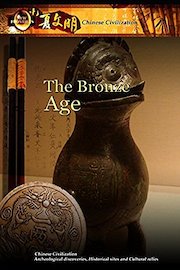
New Frontiers Chinese Civilization - The Bronze Age

Where to Watch New Frontiers Chinese Civilization - The Bronze Age

New Frontiers Chinese Civilization - The Bronze Age is an enriching, visually resplendent documentary film that journeys through the annals of China's ancient history, more specifically, the Bronze Age, which spanned approximately from 2000 to 771 B.C. The film aims to educate the audience about the profound cultural heritage of this civilization and the ingenuity of its bronze artisans, while also shedding light on the socio-political climate of the era.
The film takes the audience on an enlightening voyage across centuries, giving us a glimpse of a time when China was undergoing radical transformations. The Bronze Age marked the inception of significant advancements not only in tools and weaponry but also in art and culture, many aspects of which have continued to influence Chinese tradition and are considered precious cultural relics.
The storyline of the movie involves the exploration of the Bronze Age's emergence and how it subsequently shaped the trajectory of Chinese civilization. It presents a wealth of information and fascinating insights into the origins and evolutionary path of ancient Chinese society. The film also delves into the scientific technologies and traditional methods employed in the making of bronze items in an era devoid of modern machinery.
One of the key narrative focal points is the exploration of the Shang Dynasty, the ruling power during much of the Chinese Bronze Age. The movie illustrates the empire's advancements and the flourishing creativity of its time. The societal structure, beliefs, political systems, and aesthetic sensibilities of the Shang Dynasty are vividly portrayed, giving viewers a grounded understanding of the era's life.
The documentary's highlight is its exploration of Chinese bronze ware, highly revered artifacts that played a crucial role in the period's societal dynamism. The movie offers an intimate look at the delicate craftsmanship involved in the creation of these historical pieces. It dives into the intricate designs, complex inscriptions, and symbolic imageries found in these ancient artifacts, thus painting a rich picture of the society that produced them.
In addition, the production contextually explains how these pieces were used in rituals and ceremonies, along with their critical roles in political scenarios, thus showcasing their cultural, religious, and political significance. While the bronze vessels acted as symbols of nobility and social status, the bronze weapons were demonstrations of strength and military prowess.
New Frontiers Chinese Civilization - The Bronze Age does a commendable job of animating the past, aided by some awe-inspiring cinematography and visually engaging graphics. The film is interspersed with expert commentaries, enlightening narratives, and close-up shots of preserved artifacts, helping the audience experience and understand the wonders of this age. Dramatic enactments of ancient rites and activities further aid the dissemination of insight into this fascinating historical period.
Notably, the film skillfully navigates between explaining complex historical contexts and imparting archaeological and anthropological information in a viewer-friendly manner. Its gripping narrative keeps the spectators engaged as they learn about a long-gone, thrilling era that has been instrumental in defining Chinese cultural identity.
Overall, New Frontiers Chinese Civilization - The Bronze Age is a captivating cinematic piece, offering an expansive introduction and critical insights into one of the most transformative periods of Chinese history. This film is equally engaging for both history enthusiasts and general viewers interested in learning about distinctive cultural heritages. By the time the closing credits roll, viewers can expect to walk away with a greater understanding and appreciation for the profound historical contributions of the Bronze Age to Chinese civilization.