

Mauerpark
Mauerpark
 6.3/10
Where to Watch Mauerpark

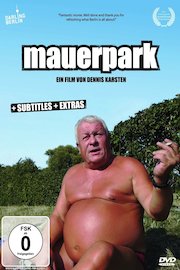
Mauerpark is an engaging and beguiling feature-length documentary film released in 2011. Directed by Yunus Roy Imer and featuring notable personalities like Joe Hatchiban, Wladimir Kaminer, and Dr. Motte, the movie brings to life the diverse, vibrant pulse of the Mauerpark in Berlin.
The film centers around Mauerpark in Berlin, a former part of the Berlin Wall, now converted into a public park. The park is the heart of Berlin's vibrant subculture, a melting pot of musicians, artists, tourists, and locals who meet to exchange ideas and soak in the neighborhood's special energy. Mauerpark serves not just as a park, but as a platform for free, uncensored artistic expression and unfiltered societal engagement.
Joe Hatchiban, the Irish founder of the Bearpit Karaoke event, is one of the key features of the park and the film. His interactive singing sessions serve as a symbolic gathering spot that reflects the spirit of the park: spontaneous, lively, diverse, and free-spirited. Hatchiban plays a crucial role in fostering the extraordinary, community-driven atmosphere of the park. His candid interactions with the gathering crowd emphasize cultural collaboration and celebration of diversity in a very unique and captivating way.
Russian-German author and DJ, Wladimir Kaminer, adds an extra dimension to the narrative with his fascinating insights into the role of the park and its evolution over the years. Wladimir's narration reflects Berlin's rich social and political history and the transformative role the park plays within the city's cultural landscape. He promotes the importance of public spaces like Mauerpark that fosters bridges between diverse communities.
Dr. Motte, a pioneering figure in the techno music scene and founder of the Love Parade, also gets featured in the documentary. His passion for music and celebrations, along with his eclectic engagement with the park's dynamics, adds another fascinating layer to the film's narrative. His views on the vibrant Berlin subculture and the park's role in nurturing it add depth and perspective to the overall narrative of the movie.
The film uses various music and celebration scenes to explore the diversity and creativity the park nourishes. It encapsulates the rollicking jams, dance-offs, karaoke, and graffiti art, making viewers resonate with Berlin's thriving underground subculture. Steady and profound shots of the park and the city give testament to their historical and socio-cultural significance.
The cinematography brilliantly portrays the vibrant palette of Mauerpark against the stark remnants of the Berlin Wall. The juxtaposition of these two contrasting realities captures the spirit of resilience and unification, making the city's heart beat louder. The insightful interviews and footage offer a true taste of the Berliner 'lifestyle,' where everyone is welcome, and everyone has the freedom to express themselves.
Mauerpark is thought-provoking, closely capturing the essence of an evolving city. The way the park's history is presented reflects how Berlin rose from its troubled past. The park's vibrancy, illustrated through art, music, community gatherings, and notable personalities, makes the documentary all the more engaging.
The powerful array of performances, candid conversations, and captivating cityscapes make Mauerpark a truly sensory experience. It allows viewers to witness the magic of Berlin's lively subculture, all the while confronting the past that brought it to its inspiring present.
In its essence, the Mauerpark documentary beautifully marries art, history, and social commentary. By presenting a slice of life from the dynamic Mauerpark, it delves into broader themes like community, diversity, freedom of expression, and the lasting impact of historical events on modern urban landscapes. This deep underlying context woven into the film's fabric makes it a compelling watch for anyone interested in urban culture, contemporary history, or just a good old-fashioned celebration of life.
6.3/10