

Maineland: A town looks to the past to save its future
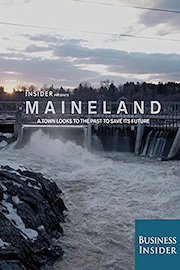
Maineland: A town looks to the past to save its future

Where to Watch Maineland: A town looks to the past to save its future

Maineland: A town looks to the past to save its future is a thought-provoking documentary that weaves together personal stories and broader themes of community resilience, identity, and the intersection of tradition and innovation. Set against the picturesque backdrop of a small town grappling with change, this film invites viewers to reflect on what it means to hold on to one’s roots while navigating the complexities of modernity.
Led by the compelling narratives of Amber Lambke and Amanda Clark, the film shines a light on a town that is at a crossroads. As the pressures of economic challenges and societal shifts loom over the community, its residents are faced with a critical question: how does one honor the past while also paving the way for a sustainable future? Through intimate interviews and candid conversations, Lambke and Clark engage with a diverse array of townspeople, each with their own relationship to the town’s history and aspirations for its future.
The exploration begins with a historical overview of the town, delving into its founding principles and the key events that have shaped its identity over the years. Through archival footage and personal anecdotes, the filmmakers illuminate the rich tapestry of stories that define the town’s legacy. This historical context serves as a foundation for understanding the current challenges the community faces, including economic decline, population decrease, and the struggle to retain local culture in the face of modernization.
As the town grapples with these issues, residents share their dreams and hopes for revitalization. From entrepreneurs seeking to establish new businesses that reflect the town’s heritage to artists looking to create spaces for cultural expression, the film celebrates the spirit of innovation that thrives within the community. Lambke and Clark highlight how individuals are drawing on the town’s past not just as a nostalgic longing but as a source of inspiration and strength. This approach fosters a renewed sense of purpose among residents as they develop initiatives aimed at revitalizing the local economy while staying true to their roots.
One of the film’s compelling themes is the role of community connection. Through various initiatives, including local farmers' markets, arts programs, and collaborative projects, residents are depicted working together to forge a brighter future. The documentary emphasizes the importance of grassroots movements in effecting change and illustrates how community members can rally to support one another, creating a network of resilience and hope. The filmmakers deftly capture the emotional highs and lows of this collective journey, showcasing the challenges and triumphs that emerge when a community comes together.
In addition to exploring individual stories, the film takes a broader view of how societal trends influence small towns. As it investigates the impact of technology, globalization, and shifting demographics, it poses critical questions about the balance between modernization and maintaining cultural identity. The personal narratives are juxtaposed with a wider commentary on how many towns across the country face similar dilemmas, making the film resonate on both a local and national level.
Cinematically, Maineland employs a rich visual language that complements its narrative style. The lush landscapes, vibrant community events, and intimate settings provide a stunning backdrop to the emotional and practical discussions at the heart of the film. The cinematography captures the beauty of the town while also revealing the cracks and challenges that residents confront. This duality enhances the storytelling, inviting viewers to engage with the content on multiple levels.
The sound design and original score contribute significantly to the film's atmosphere, supporting the emotional undertones of the residents’ stories. The thoughtful editing weaves together these diverse threads, creating a tapestry that encapsulates both hope and authenticity. The pacing allows for moments of reflection, ensuring that viewers have the space to consider the implications of the narratives being shared.
Maineland ultimately serves as a call to action, inviting audiences to reconsider their own relationships with their communities and histories. It challenges viewers to think critically about the legacies we inherit and the responsibilities we hold in shaping the future. By looking to the past for guidance and inspiration, the town in the film exemplifies a way forward that prioritizes community engagement, sustainability, and a deep respect for heritage.
In conclusion, Maineland is not just a documentary about a small town; it is a universal exploration of what it means to build a community in today’s rapidly changing world. Through the lens of Amber Lambke and Amanda Clark, the film encapsulates the strength of human connection, the importance of local identity, and the hope that arises when people come together to envision a brighter future. With its poignant storytelling and beautiful visuals, this film really does invite each of us to contemplate how we can take inspiration from the past to shape a better tomorrow.