

Le Cochon
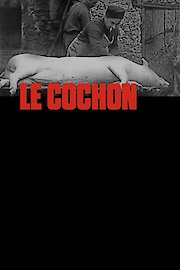
Le Cochon
 6.6/10
Where to Watch Le Cochon

Le Cochon is a French film that was released in 1970, written and directed by the creative pair Jean Pierre Dardenne and Luc Dardenne. Anyone familiar with the filmmaking duo’s work isn't surprised by their almost obsessive commitment to capturing the raw, immersive, and unfiltered experiences of their characters, and this is just as true in the case of Le Cochon. This 50-minute documentary-style cinema verite plunges the viewers into an intensely tactile world, unlike anything they may have seen before on the silver screen.
The title, literally translating to 'The Pig,' serves as an evocative snapshot of the movie's plot - essentially a minute, bare-bones portrayal of an age-old tradition of pig slaughtering and its subsequent butchering in a rural area of France. The film is largely devoid of a traditional script narrative, putting forth the raw and gritty visuals of this rural life.
The movie begins by introducing its only characters - two farmers, and of course, the titular pig. Following the introduction, the narrative primarily revolves around the real-time portrayal of the pig's slaughter, its subsequent anatomization, and eventual transformation into various pork products. This focus on the slaughter and dissection of the pig drives the entire film.
The Dardenne brothers craft an uncompromisingly vivid and unflinching portrayal of this time-honored ritual, and its subsequent reflections on the culture and livelihood of its human participants. The film does not shy away from presenting the uncomfortably real and graphic spectrum of life and death in a deeply rural setting, transcending the boundaries of conventional filmmaking.
While the idea of animal slaughter serving as the central theme might seem quite harsh and savage to some viewers, Le Cochon maintains a dignified, almost respectful stance towards its subject. Instead of sensationalizing or sugarcoating the graphic nature of the ritual, the Dardenne brothers have endeavored to portray the event with stark authenticity. It offers a documentary-like depth of detail, allowing viewers to become observers of a cultural practice that is completely organic, albeit brutal.
Simultaneously, the film pays meticulous attention to the technical nitty-gritty of the slaughter and butchering process. From the tools employed to the precise techniques used, every meticulous detail is laid bare before the audience. The verisimilitude that Le Cochon aims to capture in these aspects results in a uniquely immersive viewing experience.
Despite its potentially heavy, uncomfortable theme, the film is infused with a sense of worth and respect for both the pig and the process it undergoes. Through their unembellished, naturalistic storytelling style, the Dardenne brothers imbue in the audience an appreciation of the intrinsic value and significance that the pig holds in these rural societies.
However, it's the subtleties that hold immense power in Le Cochon. Much of its narrative commentary relies heavily on the nuanced embodiment of nature's cycle of life and death. The term ‘no-frills’ comes to mind when trying to describe the pastoral mise en scène and the way that everyday rural life in 1970s France is presented vis-à-vis societal norms and regulations of the time.
As a study of culture, tradition, and survival, Le Cochon excels in leaving a lasting, thought-provoking impact. As the first entry in the Dardenne brothers' groundbreaking body of work, it establishes their ability to encapsulate the human condition's complexity in their distinct bare-bones cinematic style. The film may not conform to the tastes of all viewers due to its graphic nature, but for those intrigued by minimalistic yet powerful storytelling, Le Cochon remains an intriguing and stimulating watch.
6.6/10