

Killer: Journal of Murder
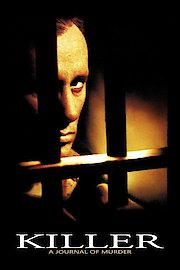
Killer: Journal of Murder
"Liar. Thief. Murderer. He hated all of humanity, himself most of all."
 6.3/10
Where to Watch Killer: Journal of Murder

Killer: Journal of Murder is an insightful drama released in 1995. Based on the autobiographical book "Killer: A Journal of Murder," by Thomas E. Gaddis and James O. Long, the film presents an intense exploration into the mind of a notorious criminal, which raises penetrating questions about the nature of a man and society's reaction to crime.
The movie stars the indomitable James Woods, highly acclaimed Robert Sean Leonard and versatile Ellen Greene. Woods thrives in nuanced roles, and his intense performance has been praised for its immersive commitment to detail. Leonard, often celebrated for his ability to bring complex characters to life, complements Woods with a performance that balances the narrative with an essential human perspective.
The unraveled plot starts with the arrival of a young, idealistic prison guard Henry Lesser (Robert Sean Leonard) at Leavenworth prison. Ambitious and earnest, Lesser has high hopes for his job, which connects him with the grisly reality of Carl Panzram (James Woods), a lifelong prisoner. Panzram is a career criminal, a brutal man who rebels at every chance, and his life's ambition seems solely to showcase the worst of human nature.
The movie delicately handles this unlikely pairing and ensuing bond between Lesser and Panzram. Lesser, touched by the brutal honesty of Panzram and intrigued by the depth of his degeneracy, attempts to understand the man behind the monster. It is this relationship, the humane connection amidst the rigid rules of prison, that drives the plot.
James Woods' portrayal of Panzram is as disturbing as it is captivating. He explores the man’s reprehensible actions, his fierce intelligence, and his deep-seated hatred for humanity. In contrast, Leonard shines as the young guard who is simultaneously fascinated and repulsed by Panzram. He embodies the internal conflict of a man trying to reconcile his role as a law enforcer with his moral compass. Lesser’s determination leads him to convince Panzram to document his life story and crimes, a testament etched in violence and despair.
Ellen Greene plays lesser's wife, who struggles to understand her husband's attachment to the inmate, and her performance adds another layer of complexity and human emotion to the narrative.
Killer: Journal of Murder is not just a tale of crime and punishment, but also offers rich insights on the human capacity for both good and evil. Threaded with themes of morality, empathy, and retribution, the film nurtures within the viewer a discomforting ambiguity that abides long after the credits scroll.
In a chilling portrayal, director Tim Metcalfe takes audiences on a dark journey into a man's depravity and the societal systems that grapple with such realities. The cinematography and flashbacks contribute to the grim atmosphere of the film, projecting Panzram's past traumas and creating a link between his early life experiences and his life of crime.
Killer: Journal of Murder blends elements of true crime, psychology, and human drama to disquieting effect, seducing audiences with its charismatic performances and uncompromising storytelling. The film might be categorized as a dark, hard-hitting watch; however, it is also a brave and provocative examination of the human psyche, morality, social justice, and the effects of a penal system designed more for punishment than rehabilitation.
Throughout the movie, the film-making quality, script adaptation, and performance of the cast create immersive storytelling. It has its share of graphic descriptions and harsh language, which contributes to the overall unpleasant but realistic aura of the narrative. One thing's for certain, though; it's a film that will trigger contemplation and discussion long after watching.
Killer: Journal of Murder is a bold film, evocatively led by its strong cast and stirring direction. It's a cinematic study of the darkest recesses of the human soul that provokes thought and forces the viewer to grapple with uncomfortable moral paradoxes. However, it is a challenging and essential watch for those interested in exploring the depths of humanity twisted by life's harsh circumstances in cinema.
6.3/10