
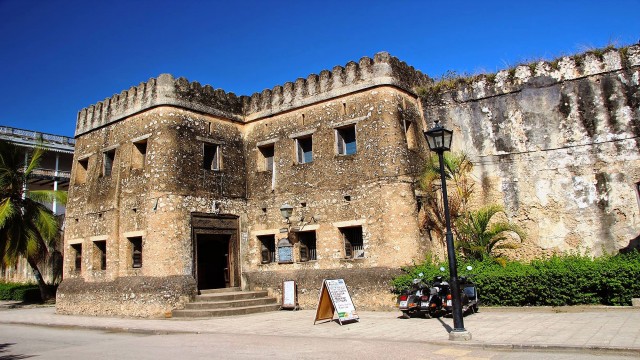
Global Treasures - STONE TOWN -Tanzania
Global Treasures - STONE TOWN -Tanzania

Where to Watch Global Treasures - STONE TOWN -Tanzania

Global Treasures - Stone Town is a captivating documentary film that takes the viewer on a tour through one of the unique and fascinating places in Africa, Stone Town, a UNESCO World Heritage site located in Zanzibar, Tanzania. Produced as a part of the Global Treasures series, the film is a dynamic exploration of the human spirit and reflexivity, uniting history, culture, and some of the beautiful architectural designs to be found anywhere in the world.
As the film starts, it transports the viewer to the coasts of East Africa, and onto the exotic Tanzanian island of Zanzibar, situated in the Indian Ocean. It carefully unfolds the story of the main attraction of this beautiful island, Stone Town, also known as Mji Mkongwe – the Old Town. Shot in high-definition, the film reveals the breathtaking landscapes and stunning scenes of this African paradise, capturing every detail making it a captivating visual treat.
The uniqueness of Stone Town lies in its rich historical heritage, making it the primary focal point of this documentary. The film demonstrates how Stone Town is a powerful testament to East Africa's historical trading connections with the Arabian, Indian, and European worlds. It does an excellent job unfolding the cultural melting pot reflected in the African, Arab, Indian, and European influence that shaped the unique architecture of the city.
One of the main highlights of the film is the tour of the old town’s maze-like alleyways, which leads the viewer into a world full of traditions and centuries-old craftsmanship. It showcases the multitude of mosques, bazaars, and grand Arab residences, each narrating their extraordinary histories, leaving viewers with a sense of awe. The film emphasizes the intricate details of the coral stone buildings, famous carved wooden doors, and the intimate courtyards which are unique elements of Stone Town's rich architectural heritage.
The documentary extends beyond architectural beauty, immersing the viewer in the daily realities and routines of Stone Town’s inhabitants. The inherent vibrancy of Stone Town comes alive on screen through bustling markets brimming with fruits, spices, fabrics, and other traditional crafts. It offers a glimpse into the world-renowned spice markets where the viewers can virtually savor the heady aromas of cloves, cinnamon, cardamom, and nutmeg - aromatic reminders of Zanzibar's vital role in the spice trade.
Moreover, Global Treasures - Stone Town captures the cultural heritage sites like the Sultan's Palace, the Old Fort, the House of Wonders, and the Anglican Cathedral. It pays special attention to the historical background of the slave trade, its impacts, and abolition, providing apt contexts to appreciate this crucial point in the town’s timeline.
The film effectively introduces us to the traditional forms of local music, notably Taarab and Ngoma. It goes a step further to document the significance of Zanzibar as the birthplace of Swahili, a language spoken by millions across several countries in East Africa, thus projecting the cultural import of the town.
The film concludes by providing a modern context to Stone Town, highlighting the growing tourism industry, conservation efforts, and the challenges it faces. The documentary promotes an understanding of the importance of preserving this unique town, not only as a historic monument but as a living, breathing city, with its people and their culture at its center.
In conclusion, Global Treasures - Stone Town is more than just a travel documentary. It is a journey through time that offers information and incredible visual beauty in equal measures. The film is an invaluable resource for those interested in historical architecture, cultural heritage studies, or travelers seeking virtual tourism until they can set foot on the fascinating island of Zanzibar themselves. It is an invitation to appreciate the tenacity of human cultures and traditions that soberly challenges the Western conceptions of Africa.