

Gender Troubles: The Butches
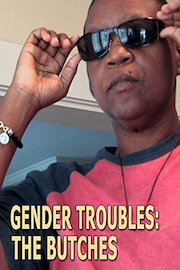
Gender Troubles: The Butches

Where to Watch Gender Troubles: The Butches

Gender Troubles: The Butches is a riveting documentary film released in 2015 that unearths and explores the complex world of self-identified butches. This movie deftly brings to the forefront the stories of butch-identified women who are paving their own paths against societal norms, dramatically challenging general assumptions about gender and sexuality. The spine of the narrative centers around the lives and experiences of an assortment of individuals, including Lenn Keller and Sasha T. Goldberg, who share intimate accounts of their journeys that convey messages of courage, resilience, and authenticity.
Directed by Lisa Plourde, the documentary serves as an in-depth exploration of the concept of gender identities outside mainstream representations. Interweaving interviews with observational footage, the film allows the audience an opportunity to gain deeper understanding of what it means to be butch; it is indeed a unique dive into the varied, multifaceted experiences of butch women.
Lenn Keller, a renowned photographer and archivist, fearlessly shares her personal narrative, reflecting her life experiences as an African-American butch lesbian. Her candid confessions of trials, triumphs, and everyday experiences provide significant insight into the complexities of gender identities within marginalized communities. Sasha T. Goldberg, another central figure, elaborates on the particular challenges and joys that come with navigating the intricate path of being a butch Jewish woman. Her heartfelt anecdotes are sure to engage the audience.
Gender Troubles: The Butches doesn't promise a singular version of 'butchness' but rather delves into the nuances of the butch identity, underscoring the vast diversity among butch women in terms of how they perceive and express their sexuality and gender. It portrays a bevvy of diverse experiences, from those who have staunchly identified as butch for decades to those who are more fluid with their gender identification.
The documentary also draws attention to the historical and socio-cultural context of the butch identity, reflecting on the changes over the years. It illustrates how cultural landscapes shift and mold the perceptions of butch identity and how these women navigate societal expectations and pressures while maintaining their true selves.
The film also scrutinizes the societal expectations of gender norms, particularly the pressure to conform to the stereotypically feminine attributes. It poses thought-provoking questions about the societal discomfort with those who blur the lines of gender norms and the stigma attached to such non-conformity. Some viewers may find this film confronts them with their own biases and assumptions about gender and sexuality, urging them to reconsider their own perspectives.
The narrative structure of the film is commendable, seamlessly weaving the personal narratives of the butch women into a broader conversation about gender norms and societal expectations. This creates an engaging, human-centered perspective. The use of cinema verité style allows the audience to see an intimate, unfiltered view of the protagonists' lives, making the film both illuminating and deeply moving.
The musical score, composed by Nedra Johnson, further enhances the overall appeal of the film. Each song is masterfully selected, adding depth to the narrative, complimenting the stories being told, and bringing more emotional intensity to the viewing experience. Lisa Plourde's distinguished storytelling abilities, combined with Erika Fredrickson's skillful cinematography, altogether creates a captivating and compelling cinematic piece.
Gender Troubles: The Butches is an enriching narrative canvas, broadening the conversation on identity, gender and sexuality beyond binaries. It invites viewers to rethink their understanding of gender stereotypes and inspires discussions about acceptance and diversity. This film is an intimate exploration of the butch identity, told through the voices of those who live it every day, the people who understand it not as a stereotype but as a lifestyle, as their reality.
In conclusion, Gender Troubles: The Butches shines a light on a facet of society that often remains ignored and misunderstood. The film proves a compelling watch for those eager to learn more about the diversity of human experience, and it serves as a vital tool for discussions around gender, sexuality, and broader societal norms.