
Earth From Above - Seas and Oceans Part I
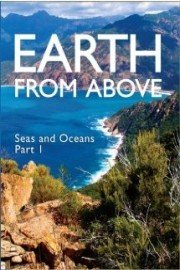
Earth From Above - Seas and Oceans Part I

Where to Watch Earth From Above - Seas and Oceans Part I

In the gripping documentary film Earth From Above - Seas and Oceans Part I, renowned photographer and environmentalist Yann Arthus-Bertrand beautifully explores the expansiveness and diversity of our planet's seas and oceans. Throughout this film, the viewer is not only imbued with a humble realization of the grandeur of our nature but also gains a deeper understanding of the vital role that these maritime territories play in maintaining our ecosystem and contributing to the overall health of the planet.
The film is profoundly charged with Arthus-Bertrand's characteristic lens, which is replete with sharp, vibrant colors and instills a keen sense of perspective and scale. As the title suggests, Earth From Above - Seas and Oceans Part I displays vast and mesmerizing aerial shots, offering unparalleled bird's-eye views of oscillating, wild, and vividly colored seas and their diverse landforms.
The film’s narrative progresses through a carefully woven tapestry of marine regions from around our globe, including frigid polar oceans, thriving coral reefs, turbulent open seas, and tranquil tropical lagoons. Each region is diverse in its geography, climate, and biodiversity, and the film does a remarkable job of showcasing this diversity with spectacular aerial imagery and insightful commentary.
Throughout the film, Arthus-Bertrand's passion for our planet and its conservation is palpable. He uses this platform not only to highlight the awe-striking beauty of our world's seas but also to underscore the immense threats these vital ecosystems face from human activities. The film subtly yet powerfully challenges the viewer to rethink their relationship with the oceans and raises urgent questions about their future.
An array of experts and conservationists join Arthus-Bertrand to offer their valuable insights into the ecological significance of these aquatic regions. These experts shed light on various aspects of oceanic and marine life, such as migration patterns, mating rituals, feeding habits, and complex predator-prey interactions, bringing a personal and human touch to these otherwise gargantuan and abstract landscapes.
However, Earth From Above - Seas and Oceans Part I isn't solely a gaze into the ecological and environmental aspects. The film also provides a socio-cultural portrait of the people whose lives are intimately connected with the seas. Through a series of interviews and vignettes, the film presents stories of fishing communities, marine biologists, and ocean explorers, painting a rich tableau of human life shaped by the rhythms of the ocean.
One of the many striking aspects of this film is its use of state-of-the-art technology, which has made possible the capture of some truly breathtaking images, offering a unique perspective on the earth’s aquatic terrains. The cinematography is nothing short of spectacular, often leaving the viewer in rapt silence with the immensity of the scenes unfolding on screen. Every frame of the film appears to be artfully designed, with a keen eye for detail and a deep sense of regard for the subjects being documented.
The movie is enhanced by a soundscape that complements the stunning visual storytelling. The score, subtly interwoven into the film, perfectly accompanies the majestic visuals, ranging from quiet reflective moments to crescendos that underscore the drama of the life-and-death struggles that nature continually witnesses.
In a nutshell, Earth From Above - Seas and Oceans Part I is a visually arresting and intellectually stimulating cinematic journey that offers an unprecedented look into our blue planet's marvels from a vantage point that few of us will ever experience personally. This film is more than just a documentary; it's a testament to the grandeur of life on Earth and a call to action to conserve and protect our uniquely beautiful and diverse planet. Through Yann Arthus-Bertrand's lens, we are reminded of our profound connection to the seas, and our shared responsibility to preserve their health and vitality for generations to come.