

Ealing Rarities: The Big Blockade
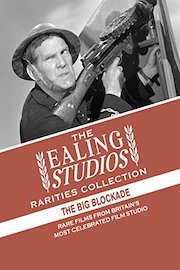
Ealing Rarities: The Big Blockade

Where to Watch Ealing Rarities: The Big Blockade

Ealing Rarities: The Big Blockade is an engaging wartime drama that acts as a powerful portrayal of how the British and their allies employed economic warfare to hinder Germany during World War II. Featuring two sterling actors of the golden age of British cinema, John Mills and Michael Redgrave, the film delves into the complex strategies devised by the British War Ensemble. It's a blend of fictional narration and factual introduction, capturing the essence of the Big Blockade—an instrumental tactic in the outcome of WW2.
The film, directed by Charles Friend and released in 1942, focuses on the lesser-known aspects of the war, providing an alternate perspective of the period. It does not glorify the airborne battles or ground invasions; instead, it highlights an intricate facet of the battle fought behind the scenes. In this sense, Ealing Rarities: The Big Blockade serves as a rare cinematic testament to the economic warfare angle of World War II, underscoring the sacrifices and efforts put forth on this front by the British and their allies.
John Mills renders an impeccable performance, portraying a fictitious blockade-runner, Alan, who sheds light on the severity of the economic warfare at play. Mills' character is not a stereotypical war hero, but his everyday struggles, determination and unyielding spirit resonate with the audience immersively. His deliverance is compelling, seamlessly bridging the gap between reality and cinema.
Joining Mills onscreen is Michael Redgrave, another stalwart actor known for his dynamic skills and cinematic prowess. Redgrave embodies the character Frank, a member of the British blockade organization. Running in parallel to Mills' portrayal of Alan, Redgrave's character provides the audience with a first-row view of the planning and execution strategies employed in the blockade. His character's unrivaled determination to cripple the German economy and expedite the end of the war adds a unique dimension to the film.
The film is a mosaic of intertwined narratives, each depicting the perspective of people from various countries involved in the blockade, including Germany. This approach does not just confine the audience to a single perspective but broadens their understanding of the lengths that the combined forces of Britain, France, and Russia went to in order to bring World War II to an end.
In terms of production, Ealing Rarities: The Big Blockade features superb camerawork that dynamically captures the characters' emotions and the demanding situations they find themselves in. The detailed mise-en-scène reinforces the authenticity of the film, drawing the audience into the era of the 1940s seamlessly.
While this film does not feature the action-packed sequences that are common to wartime dramas, the strategic planning, tense confrontations, and the portrayal of intelligent warfare offer a distinctive and captivating viewing experience. Moments of intrigue, suspense, and triumph are subtly displayed throughout the film, keeping viewers drawn into the plot from start to finish.
The Big Blockade raked up a significant amount of appreciation for its bold and novel take on World War II. The film dives deep into the strategic endeavors that complemented the physical battles, thereby shedding light on a crucial yet underrepresented aspect of the war.
Ealing Rarities: The Big Blockade is more than just a film – it is an enriching cinematic experience for history buff, fans of John Mills and Michael Redgrave and for anyone interested in a unique perspective on World War II. It attests to the highly critical role of economic warfare in determining the course of history. Apart from its historical relevance, the film serves as a remarkable time capsule that intricately captures the essence of one of the most pivotal eras in human history.