

Battle for Warsaw: Stones for the Rampart
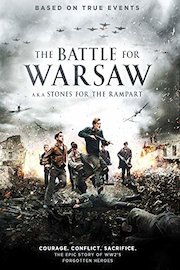
Battle for Warsaw: Stones for the Rampart

Where to Watch Battle for Warsaw: Stones for the Rampart

Battle for Warsaw: Stones for the Rampart is a poignant, high-stakes war film that takes us back to one of the darkest periods in world history. It was released in 2014, under the adept guidance of director Robert Glinski. The movie features riveting performances from a versatile cast that includes young Polish actors Tomasz Zietek and Marcel Sabat.
The narrative of Battle for Warsaw: Stones for the Rampart is set during the grim days of World War II, with the tumultuous city of Warsaw serving as its vivid backdrop. The film draws its inspiration from a novel penned by Aleksandr Kaminski, which is a semi-autobiographical account of his experiences as a scout during the war. This connection to a genuine historical account only escalates the emotional stakes of the movie and gives it an added sense of authenticity.
The plot centers around three friends – Rudy (Tomasz Zietek), Alek (Marcel Sabat), and Zoska. These are not typical, carefree youngsters. Instead, they are members of the Polish resistance, grappling with the brutal realities of war. Their camaraderie and shared experiences form the emotional core of the movie. The narrative oscillates between moments of intense action and quiet reflection, effectively utilizing contrasts to maintain a gripping momentum throughout the film.
The leading actors, Zietek and Sabat, deliver earnest performances that mirror the bravery, dedication, and spirit of the real-life figures they portray. Zietek, who steps into the shoes of Rudy, brings an endearing vulnerability to hisrole that is both moving and relatable. On the other hand, Sabat as Alek is compelling, embodying the spirit of a young man resolved to fight for his homeland's freedom, regardless of the circumstances.
The titular Battle for Warsaw is a constant presence throughout the movie. It looms large, shaping the characters and their actions as they attempt to navigate their individual paths amidst the chaos of war. The ‘Stones for the Rampart,’ refers to their collective efforts instanding up to the merciless, oppressive Nazi regime, symbolizing their undying spirit to resist.
Director Robert Glinski brings his distinctive touch to Battle for Warsaw: Stones for the Rampart. His balanced approach to storytelling allows the actors enough space to breathe life into their characters. He ensures that their stories are told in a respectful, sensitive manner that honours the historical artefact without adding unnecessary drama for effect. The grit and determination that characterize the Polish resistance are artfully captured on the screen, allowing the audience to share in their trials, tribulations, and fleeting moments of triumph.
Key to the success of Battle for Warsaw: Stones for the Rampart is its ability to weave a narrative that reflects the human experience amidst war. The movie does not shy away from showing the horrors of war, but it does so in a manner that places the focus on the experience of its characters, rather than glorifying the violence itself. The film is a testimony to the resilience and spirit of the Polish people during a period of grave adversity, demonstrating that in the end, the human spirit prevails.
The production's technical aspects, notably its cinematography and sound design, authentically recreate the gloomy atmosphere of a city under siege. The camera work is immaculate in capturing the essence of the war-torn city, reflecting an artistically apt juxtaposition of beauty and destruction.
Evidently, Battle for Warsaw: Stones for the Rampart is more than just a war film. It's an emotionally resonant experience that explores the impact of war on the human spirit, the limits of friendship, and the cost of freedom. Its nuanced portrayal of war from the perspective of young, resistant fighters is a fitting tribute to the real-life heroes who risked everything for the love of their country. The film isn't just a commemoration of Poland's past; it offers lessons of courage, loyalty, and resilience that remain relevant in today's world.
In conclusion, Battle for Warsaw: Stones for the Rampart is an evocative historical film that beautifully marries factual storytelling with poignant human drama. Its compelling performances, stellar direction, and deep sense of authenticity make it a must-watch for war-film enthusiasts, historians, and anyone interested in exploring the human cost of conflict.