
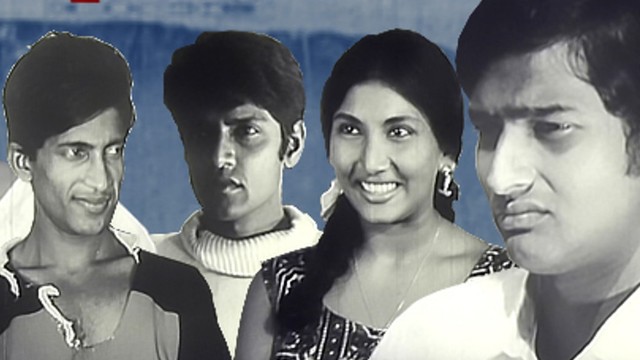
Akkara Paha

Akkara Paha

Where to Watch Akkara Paha

Akkara Paha is a landmark film in the Sinhalese cinema released in 1972. Directed by Titus Thotawatte, the film features stellar performances by Milton Jayawardena, Malini Fonseka, and Janaki Kurukulasuriya. The film is considered a groundbreaking feat in the history of Sri Lankan cinema due its innovative storytelling, bold themes, and intricate character development.
The central plot explores the intriguing relationship between three main characters: Sunny (Milton Jayawardena), Nirmala (Malini Fonseka), and Daisy (Janaki Kurukulasuriya). Each character brings their own unique personality, dilemmas, and complex emotions to the story, which unfolds in a realistic, dramatic and evocively humane way. The director draws attention to various sociocultural constructs, challenging the audience to reflect on them as the narrative unfolds.
Milton Jayawardena, as Sunny, delivers one of his most memorable performances. Sunny is shown as a beacon of optimism and aspiration. Despite being caught in the tangles of a difficult life, he remains ambitious and hopeful. Jayawardena masterfully captures the emotional nuances of Sunny's character in a complicated socio-political environment.
Malini Fonseka, as Nirmala, embodies a woman born in a highly conservative society, vividly bringing her character to life. Nirmala’s character faces a complex moral conflict, bound by societal rules and her personal predicament. Fonseka’s depiction imparts a certain dignity and vulnerability to her role, creating a multi-layered character that resonates with the audience.
Janaki Kurukulasuriya, as Daisy, portrays a modern woman who isn't afraid to flaunt societal norms. Daisy's refreshing audacity and independence are beautifully portrayed by Kurukulasuriya. Her character acts as a counterbalance to Nirmala's traditionalism, providing a contrasting perspective on the expectations faced by women.
The setting for the film embodies the changing landscape of Sri Lanka in the 1970s. The socio-cultural context is vividly captured, reflecting the underlying conflict between traditional values and the emerging modern ethos. The setting itself becomes a character in the film, lending a layer of complexity to the story.
The film is not just a window into the lives of the three characters, but also a reflection of the society they live in. The riveting narrative, interspersed with emotionally-charged scenes, provides an exploration into human nature, societal expectations, personal dilemmas, and moral compasses.
The music in Akkara Paha, composed by the legendary Clarence Wijewardena, is a tour de force that significantly contributes to the film's theme. The soundtrack includes some of the most memorable numbers in Sinhalese music history and complements the narrative beautifully.
Akkara Paha is a masterful exploration of human relationships, societal norms, and personal choices, beautifully portrayed in a richly-drawn socio-cultural context. It's a testament to an era when cinematic storytelling wasn't afraid to push the envelope and delve deep into complex characters. The film was a breath of fresh air in the Sri Lankan cinema scene at its time of release and stands as an enduring classic today.
With its compelling narrative, layered characters, captivating performances, and emotionally resonant soundtrack, Akkara Paha remains a must-watch for fans of Sri Lankan cinema and a study in cinematic excellence. Its richly textured narrative offers a nuanced take on societal expectations and personal freedom, making the film an ever-relevant piece of cinema.