

30 Frames a Second: The WTO in Seattle
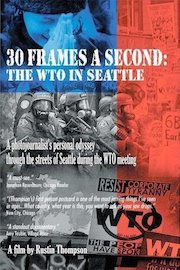
30 Frames a Second: The WTO in Seattle
"A photojournalist's personal odyssey through the streets of Seattle during the WTO meeting"
 6.8/10
Where to Watch 30 Frames a Second: The WTO in Seattle

30 Frames a Second: The WTO in Seattle is a powerful documentary film from the year 2000 directed by Rustin Thompson and featuring Greg Lassiter as a starring character. This film takes its viewers on a candid, eyewitness journey into one of the most significant global events at the turn of the century. Regarded as a poignant encapsulation of a historic occurrence, it continues to be a defining documentation of the anti-globalization movement.
The film chronicles the tumultuous events surrounding the massive protests against the World Trade Organization (WTO) Ministerial Conference in Seattle. The protests, often referred to as the "Battle of Seattle," took place at the end of November 1999 and swept global headlines due to the intense positioning of anti-globalization groups, environmentalists, labor rights activists, and various other protestors against the establishment powers.
From the film perspective, Rustin Thompson, as the protagonist, takes to the streets of Seattle with his camera, armed with a filmmaker's passion to capture the truth behind the cacophony of dissent voices. The film lends critical focus on the plethora of individuals participating in the protest, contributing to the power of its storytelling.
Amidst the chaotic and passionate demonstrations, Thompson manages to capture the essence of the event — the emphatic demand of the people to uphold human rights, preserve the environment, and ensure fair trade practices over rampant globalization efforts. Through disordered rallies, a flurry of tear gas, intense clashes, powerful speeches, and peaceful protests, the film provides a raw, unfiltered view of the historic event that reshaped the discourse around globalization.
Where Thompson shines in the film is the real-time capturing of the unfolding events, not sticking to a single narrative but taking various standpoints into view. As the camera follows Greg Lassiter, viewers are introduced to his role as a protestor amongst countless others, struggling to demand more from their governing bodies.
Throughout the documentary, Thompson expertly balances scenes of extreme chaos with moments of heartfelt conversations between protestors, law enforcement, and bystanders. These conversations add depth to the narrative and help to break the stereotype of the "angry mob." Instead, it humanizes the protestors, showing their fears, hopes, and the reasons that brought them to the streets of Seattle in late 1999.
However, 30 Frames a Second: The WTO in Seattle is not just about the protests – it also delves into the ethos of the WTO itself and its conference. It raises questions about the organization's role in the worldwide economic scenario, its decision-making processes, and its effect on common lives. The inner workings of the WTO come under scrutiny as the film juxtaposes its mandate against the palpable uproar brewing on Seattle’s streets.
As viewers, we get to see an insightful interrogation of world trade and its hoary tentacles, reflected starkly against the grim realities outside the conference halls. Moreover, highlighting the global nature of conflict, the documentary demonstrates how international policies impact the local scene and vice versa.
Initial reviews of the documentary sung praises for its crisp and honest portrayal of the protests, lauding it as an essential footage for understanding the historical context. The rigorous, on-the-ground style of filming and the authenticity of its content are often said to give viewers a ring-side view of the Seattle protests. It not only documents history but also makes a strong case for the issues raised by the protestors.
In conclusion, 30 Frames a Second: The WTO in Seattle is a powerful portrayal of a pivotal moment in recent history. It is a compelling witnessing of passionate resistance, a critique of unchecked globalization, and a call for a more just and equitable world. Through raw footages, heartfelt interviews, and piercing examinations of world trade, the film challenges its viewers to question the world around them and consider their role in shaping it. This documentary remains an invaluable resource for anyone interested in understanding the protest against globalization and the complexities of world trade that continue to resonate to date.
6.8/10