
Screen Songs
Screen Songs

Seasons

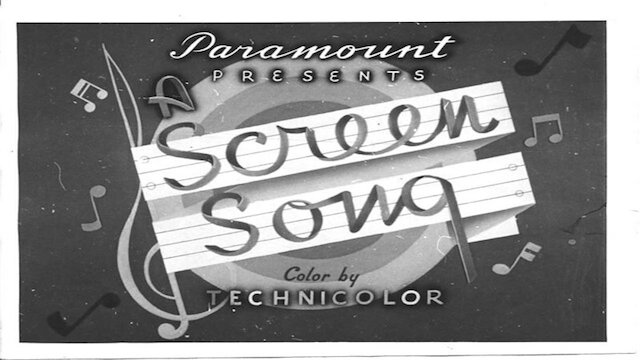
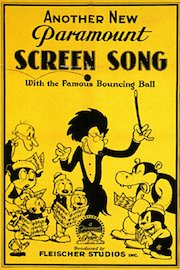
Screen Songs is a series of animated short films created by the Fleischer Studios, the same animation powerhouse that brought us iconic characters such as Betty Boop and Popeye the Sailor. Spanning across the late 1920s through the 1930s, and enjoying a brief resurgence in the 1940s, Screen Songs are perhaps best remembered for their innovative "bouncing ball" sing-along feature. As a notable part of early animation history, Screen Songs reflects the ingenuity and entertainment styles of its time, embodying a blend of animation, live-action, and audience participation.
The original Screen Songs were initially titled "Song Car-Tunes," and were among the first animated series to feature sound. They debuted in 1924 and continued until 1927, with the first few entries being silent, followed by the introduction of sound in synchronization with the animation. This was a groundbreaking development that predated even Walt Disney's "Steamboat Willie," making the series an important milestone in the transition to sound cartoons.
In 1929, after the success of these silent musical cartoons, the series was revived under the name Screen Songs. These animation shorts were designed to capitalize on the popularity of hit songs of the day. Each short typically began with a live-action segment where popular musicians or bands of the time would introduce the featured song. This segment served to provide context and create a connection between the audience and the song before transitioning into the animated portion of the program.
The animated portion would often include a loose narrative or a series of gags that related to the theme of the song. This is where the creativity of the Fleischer animators shone through, with humorous, sometimes surreal animation that perfectly complemented the music. The animation's aesthetic was consistent with the Fleischer style – rubbery and exaggerated characters and movements, creating a playful world where anything seemed possible.
One of the defining features of the Screen Songs series is the "Follow the Bouncing Ball" gimmick. During the sing-along portion of the short, an animated bouncing ball would hop across the tops of the lyrics displayed at the bottom of the screen. This innovation encouraged audience participation, making movie-goers an active part of the experience by singing along with the on-screen lyrics. The sing-along was specially designed to be easy to follow, ensuring that viewers of all ages could join in the fun.
Music was an integral part of these shorts, with melodies ranging from popular tunes of the day to traditional songs, catering to a wide audience. Some of the shorts even featured original compositions. The lyrics were written out on the screen with a playful tone, often accompanied by animated characters acting out the narrative or thematic elements of the song, further engaging the audience.
Alongside featuring the music, Screen Songs also often showcased the Fleischer Studios' knack for comedy and satire. The stories within the animations could be whimsical, topical, or simply absurd, touching on aspects of everyday life, popular culture, or even political events of the time, though always with a lighthearted approach. The humor was broad and visual, requiring no dialogue, and thus easily accessible to audiences both young and old.
Marketing and distribution for Screen Songs were handled by Paramount Pictures, and their success contributed to the popularity of sound films during the early days of talkies. As a form of entertainment, they provided a unique theatrical experience unlike anything else at the time, combining aspects of a concert, a cartoon, and a community event.
As the series progressed through the 1930s, Screen Songs continued to evolve, eventually phasing out the live-action segments. Instead, the focus shifted more to the animated content itself, albeit the sing-along element remained a central feature. The series' influence on popular culture can be seen in its pioneering of the music video concept and the encouragement of audience interaction with media – concepts that remain relevant in today's entertainment landscape.
Screen Songs represent a nostalgic piece of animation history, where the artistry of early animators met the innovation of sound technology, creating a memorable and participatory movie-going experience. They stand as a testament to the creativity and ingenuity of the Fleischer Studios, and their efforts to engage and entertain audiences during the golden age of animation. The series left a lasting legacy, influencing not just the future of animated musical shorts, but also the wider conventions of integrating music and interactive elements into film and television.
With their charm and historical significance, Screen Songs occupies a unique place in the annals of early American animation, and they continue to be appreciated by fans of the genre and animation history scholars alike. The combination of catchy tunes, clever animations, and the iconic bouncing ball sing-along makes the Screen Songs series a remarkable and beloved chapter in the evolution of animated entertainment.
Screen Songs is a series categorized as a new series. Spanning 1 seasons with a total of 2 episodes, the show debuted on 1948. The series has earned a no reviews from both critics and viewers. The IMDb score stands at undefined.