
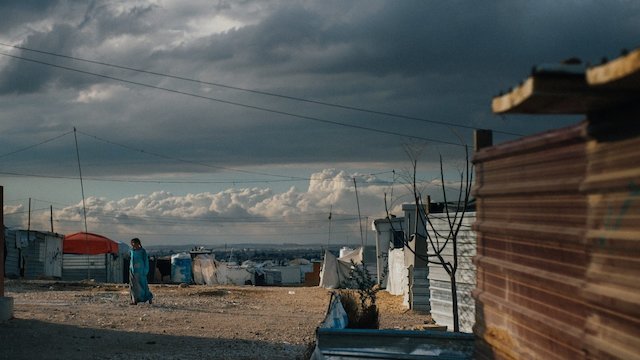
Zaatari Djinn
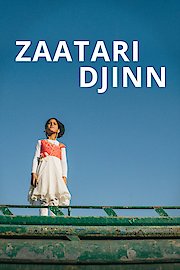
Zaatari Djinn
 6.5/10
Where to Watch Zaatari Djinn

Zaatari Djinn is an insightful and evocative documentary film directed by Catherine van Campen, launched in 2016. This documentary bids an irreplaceable, intimate perspective into the lives and dreams of four children residing in the Zaatari Refugee Camp in Jordan, which gained notoriety as one of the largest refugee camps for Syrians escaping the Syrian Civil War. Instead of focusing on the humongous politics and crisis surrounding these inhabitants, the film weaves itself around the small, endearing, sometimes heartbreaking stories of four distinct children there, bringing to us a tale of resilience, adaptation, and human spirit.
Campen establishes a mosaic of narratives, presenting a vivid portrayal of a forgotten world spiked with dreams, hopes, fears, and innocence, shunning away from the clichés that usually accompany refugee narratives. The intimate scenes in the film are inherently raw and authentic, transporting viewers into the heart of life in the refugee camp without romanticizing or exploiting their circumstances. Its honest storytelling is backed by captivating cinematography that emanates a surreal, dream-like quality concurrent with the film's title.
Amongst the many inhabitants of the Zaatari refugee camp, the director chose to thread four children's narratives together, each distinct and each brimming with their dreams and ambitions. These stories provide an intimate look at the mundane but poignant realities of their day-to-day existence against the harsh backdrop of their living conditions. From the lively and eternally optimist eight-year-old Hammoudi, poised between carefree childhood and adult responsibilities in the camp, to street smart Ferras who roams the camp with enthusiasm and determination, ten-year-old girls Maryam and Fatma who are grappling with the conservative traditions and the dreams of their own - all have distinct desires and perspectives that break the single story often represented in media.
The Djinn in the title of the movie refers to the supernatural creatures in ancient Arab mythology, known for their trickery, and this alludes to the unpredictable, somewhat mystical nature of life in the refugee camp. The documentary does not resort to showing the life in the Zaatari camp merely as a survival mechanism but rather portrays an intricate landscape filled with life and unpredictability, reflecting the djinn's unpredictable spirit.
Beyond the lives of the children, Zaatari Djinn gives the audience a greater glimpse of the refugee camp's life - the bustling activity within its marketplaces, the sense of community, the struggles of parents for their children's future and their longing for home. It is not merely a dwelling place for refugees, but it is a city in itself, replete with its own livelihood, culture, and dynamics. The movie emphasises the resilience of the camp’s denizens and their determination to improve their circumstances instead of just dwelling on their plight.
Van Campen renders the narrative voice unto the subjects themselves, the camera following their everyday activities. The direct cinema style of filming with no intrusive narration or interview, in doing so, refrains from distancing the viewer or objectifying the subject but prompts empathy and a more profound understanding of their life. The film’s endearing close-ups, landscape shots and no external commentary approach allows for an immersive experience for viewers. Overlaid sounds serve as rhythmic cues mirroring the heartbeat of the camp life rather than creating a dramatic effect.
Despite its bleak setting, Zaatari Djinn strikes an uplifting note resonating with the indomitable spirit of the refugees in the face of adversity. The movie becomes a poignant narration of survival, dreams, innocence and adolescent awakenings in an unconventional setting. In its exploration of truth in a harsh reality, it exposes the resilience in adversity and the immense capacity of human spirit to find joy, hope, and normalcy despite dire circumstances. The film is, at its core, a poetic rendition of the human spirit, the symbolism around it and the underlying message of resilience, all permeated by the dreams and lives of four children at its centre. Zaatari Djinn is a must-watch for anyone yearning to understand a narrative totally distinct from what mainstream media often depicts about refugees. It acclaims the ability of cinema as a medium to reflect, portray and deconstruct prevalent discourses while stringing together stories that stay with its viewers, prompting them to challenge their own perceptions.
6.5/10