

Wild Plants
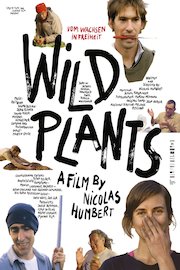
Wild Plants
 6.6/10
Where to Watch Wild Plants

Wild Plants is a fascinating and thought-provoking documentary directed by Swiss filmmaker Nicolas Humbert, released in 2016. The film’s main protagonists include Milo Yellow Hair, Kinga Osz, Andrew Kemp, and their interactions with wild plants in their respective environments.
The film paints a broad canvas of different societies, spanning continents and cultures, anchored by three main characters. The first is Milo Yellow Hair from Wounded Knee in the United States; a Sioux and former activist in the American Indian Movement, who engages with native plants through farming and fighting for indigenous seed sovereignty. His story reflects the recovery and renaissance of a culture that has been marginalised and suppressed. The field of corn that he cultivates is an act of resistance, asserting the Sioux's right to their land and their traditions.
The next character is Kinga Osz, an artist from Hungary, who breaks down barriers by boldly taking her relationship with nature to the concrete jungle city of Geneva. In the usually sterile and austere environment of the city, she creates tiny eccentric gardens, teeming with wild plants. In it, she deliberately juxtaposes the natural with the artificial, questioning our estrangement from nature and encouraging a reconnection with our native plants in unexpected and innovative ways.
Completing the trinity is Andrew Kemp, a permaculture activist from the United Kingdom, who takes the fight for organic and sustainable agriculture to the streets. Andrew Kemp is a symbol of rebellion within the armature of nature. His revolution begins in the simplest of places - his garden, where he cultivates an oasis of biodiversity in the heart of the city. From teaching young people about the practical application of sustainable agriculture to feeding the poor, his life serves as a fitting testament to the power of plants.
Wild Plants delves into urban guerrilla gardening, a socio-cultural and political movement that uses urban gardening as a form of protest and means of generating a discourse about public space and the ownership of land. The film showcases the worldwide struggle for the rights to land and seeds, highlighting the efforts of activists who use these direct-action tactics to challenge the monopolies of the seed industry. The film is a celebration of resistance, resilience, and the overpowering allure of wild nature, impressively balancing between documentary, politics, and poetry.
Humbert's documentary is a cinematic hymn to the resilience, beauty and power of nature, inviting viewers to experience an alternative way of viewing our relationship with the natural world. The film argues that gardening is not an exclusive domain or an elitist hobby but an instrumental tool for social change and a radical act of resistance. Humbert successfully blends the boundaries between human geography, ethnobotany, and socio-political commentary, resulting in a passionate plea for a more sustainable and equitable world.
By shining the spotlight on these individuals, Wild Plants offers a glimpse into struggles and victories that do not usually make the news but are critically important. It presents a timely reminder of our responsibility to the natural world and the need for preserving the biodiversity that provides our food, medicines, and the ecosystems we ultimately depend on for survival.
Wild Plants pays tribute to the strength, resilience, and inherent beauty of nature, and to the indomitable human spirit that guides these green warriors - activists who work tirelessly not merely for personal satisfaction but for the larger good of the planet and future generations.
The charismatic delivery and genuinely held beliefs of the characters capture the viewer's attention. The filmmakers have crafted a narrative that simultaneously educates, inspires, and stirs a sense of urgency and action. The film excels in articulating the critical balance that needs to be struck between human need and natural preservation.
The film is scored by a vibrant and eclectic soundtrack, which forms an essential backdrop, subtly enhancing the emotion and depth of each scene. Its cinematographic excellence lies not in grandiose, sweeping landscapes but in the detailed focus on the trivial - a closeup of a plant pushing through a concrete slab, a bird flying low against the high-rise buildings, evoking a sense of poetry and charm in the minutiae of everyday life.
Wild Plants serve as an important reminder of our interconnectedness with nature, attempting to rekindle our symbiotic relationship with the land and encouraging us to reclaim our shared spaces. In a world often governed by technology and rapid urbanization, it provokes thought about how to live harmoniously within our ecosystems. Wild Plants is undoubtedly an intriguing and enriching movie experience that invites audiences to explore different ways of interacting with nature, embracing it as a part of daily life and embodying it as a form of resilience and resistance.
6.6/10