

We Want the Light
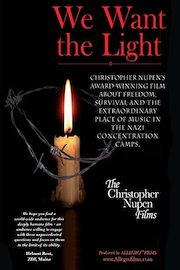
We Want the Light

Where to Watch We Want the Light

We Want the Light explores the complex relationship between the Jewish community and classical music, particularly focusing on the period of the Third Reich in Germany. This deeply touching and insightful documentary, directed by Christopher Nupen, intricately dissects the bond between Judaism and music, with a primary emphasis on the role music played in the lives of Jews during one of the darkest periods in human history.
The core of the movie revolves around an in-depth exploration of how music was used as a source of comfort, an escape, and even a form of resistance by the Jewish community during the Holocaust. It dives deep into the paradox where the very same music produced by Germany, a country that inflicted such horrors on them, became their refuge and a pivotal aspect of their survival.
We Want the Light is filmed in a way that balances subtlety and stomach-churning realism. The film does not shy away from confronting the harrowing realities that Jews faced during the Holocaust but presents these realities in a manner that stimulates reflection and discussion, rather than instilling pure shock. The use of classical music throughout the film is not just an aesthetic choice, but it is integral to the narrative, mirroring the emotions, struggles, and resilience of the characters.
Undeniably, a significant aspect of the movie is its thought-provoking interviews. For instance, it features heart-wrenching and inspiring accounts from survivors of the Holocaust, who utilized music as a means of retaining their humanity amidst unspeakable conditions. These interviews are masterfully interwoven with historical accounts and analysis, creating a seamless narrative that binds personal testimonies to broader thematic discussions. In parallel, the film also interviews celebrated musicians like Itzhak Perlman and Vladimir Ashkenazy, offering perspectives from those who've devoted their lives to the music that was so deeply entwined with the Jewish experience during World War II.
The movie's analysis of Hitler's paradoxical adoration for German classical music, particularly Wagner's works, is another focal point of this exceptional documentary. This exploration raises difficult questions about the manipulation of art to purvey hateful ideologies and the degree to which art and the artist can or should be separated.
A notable facet of We Want the Light is its enlightening examination of the significant contributions made by Jewish musicians to classical music. The cultural heritage of Jews profoundly influenced western classical music, with figures like Gustav Mahler, Felix Mendelssohn, and Arnold Schoenberg making substantial historical impacts. This aspect, juxtaposed against the backdrop of anti-Semitic ideologies seeking to erase Jewish contributions to Germanic culture, adds a profoundly ironic and tragically poignant layer to the narrative.
Nupen's direction in We Want the Light is worthy of adulation, given his adeptness at weaving such a deeply layered and emotionally charged narrative. Achieving a perfect balance between historical analysis, personal narratives, and philosophical discussion, Nupen masterfully engages his audience. On one hand, he stirs up the sorrow and anguish inherent in the Holocaust narratives; on the other, he inspires awe and admiration reflecting on the perseverance of the human spirit amid unimaginable adversities.
The documentary also features stunning, immersive cinematography. The juxtaposition of haunting images depicting Nazi atrocities with the joyous scenes of orchestras performing classical pieces superbly underlines the dichotomy of the era. The nuanced use of lighting, the focus on individual narrators during interviews, and the tasteful incorporation of archival footage all contribute to creating an effect that lingers in the viewer's consciousness long after the closing credits.
In its essence, We Want the Light is a documentary that traverses the terrains of history, music, survival, and perseverance. It invokes a deep reverence for the power of music, which not only illuminated those living under the shadow of persecution during the Holocaust but continues to be a beacon in our lives. A tribute to the enduring human spirit, it is an invitation to contemplate the role of art in the face of adversity and as a symbol of resilience. With its compelling narrative, powerful interviews, mesmerizing music, and incredible direction, the film is a testament to the indomitable strength of music and humanity.