
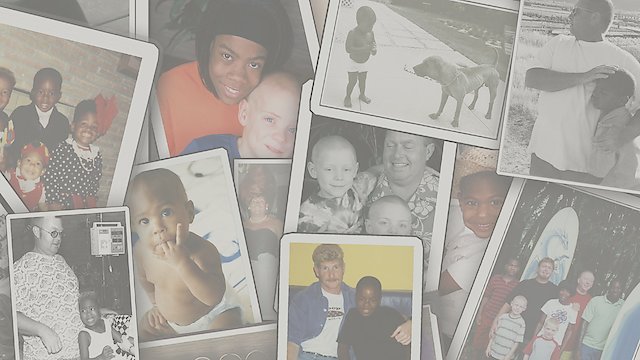
We Are Dad
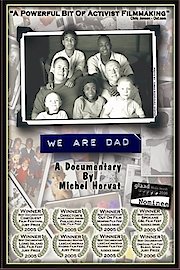
We Are Dad
 8.3/10
Where to Watch We Are Dad

We Are Dad is an emotional and thought-provoking documentary film, directed by Michel Horvat, released back in 2005. It portrays the compelling story of two gay men – Roger Croteau and Steven Lofton, who have dedicated their lives to foster several HIV-affected infants in Miami, Florida.
Roger Croteau, a registered nurse and Steven Lofton, a pediatric nurse have parented four children, all of whom have HIV/AIDS. They have fostered since birth except for the eldest, Burt, who was adopted from another foster home. The film centers around the couple's struggle to legally adopt their son, Bert, fighting against the strong resistance and discriminatory legislation that prevents homosexual couples from giving these children a permanent home.
The film delves deep into the intricacies, struggles, obstacles, and prejudices that the couple had to face due to their sexuality. It not only provides an in-depth look at the state laws -- specifically, the Florida law prohibiting gay adoption, which at the time of the film's release, was the most stringent of such laws in the United States -- but also examines the personal trials and emotional toil of a family trying to stay together.
We Are Dad is an enlightening exploration of the institutions of family and parenthood. It captures the sheer emotional terrain that Lofton and Croteau traverse over the course of their quest to provide a loving and stable environment for their children. The film celebrates their devotion and resilience, despite facing harsh societal judgment and grappling with a medical condition, which at that time was severely stigmatized.
In addition to Lofton and Croteau, the film features Alan Ball, the Academy Award-winning writer of American Beauty and creator of HBO's Six Feet Under and True Blood. Ball himself adopted two children from the Florida foster care system and offers not only his support for the legal battle the couple is waging, but Lalso provides a heartfelt and candid commentary on the poignant issue of adoption rights, particularly as it relates to the gay community.
What makes We Are Dad a significant piece of art is how the director, Michel Horvat, subtly and artistically manifests this real-life drama on screen. The drama unfolds gradually, drawing viewers deeper into the lives of two ordinary men in extraordinary circumstances.
Furthermore, the filmors deep-rooted social context. It doesn’t just touch upon the gay rights movement but speaks volumes about the state of human rights, equality, and dignity in the United States during that era. It addresses the complexities and contradictions of a system that arguably pushes aside the best interests of the child under the assumptions of heteronormative parental ideal.
We Are Dad is inspiring yet heartbreaking to watch. It raises important questions about the nature of family, the essence of parenthood, fight for equality and justice and explores how love transcends the realms of gender and sexuality.
This compelling documentary provides a real-life testament to the notion that love, compassion and nurturing are the quotients that primarily define a family, not sexuality. Inspiring courage in the face of adversity, Roger Croteau and Steven Lofton are not just extraordinary foster parents, but pioneering figures who challenged norms and took a stand against discrimination and prejudice.
We Are Dad offers a snapshot into the realities of a lesser-known story of the gay rights movement. It challenges preconceived notions and introduces viewers to a new understanding of family values. It is a must-watch testimony to love that defies every socially prescribed boundary to create a family bound by their journeys and struggles.
In conclusion, We Are Dad is a moving and thought-provoking journey that makes one question the social structures that define a family. The film delivers a powerful and a universal message- the family is where love resides, memories are created, friends always belong and laughter never ends, going beyond the realms of gender, sexuality, and societal norms.
8.3/10