

Voices From Robben Island
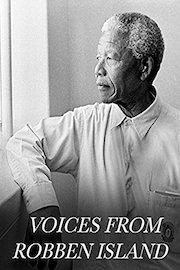
Voices From Robben Island

Where to Watch Voices From Robben Island

Voices From Robben Island is a deeply evocative 1994 film that presents an insightful exploration of the lived experiences of political prisoners on Robben Island, a site of immense historical significance in South Africa. The film weaves a narrative that is grounded in the real-life stories and struggles of its characters, illustrating the harsh realities of apartheid and the indomitable human spirit that emerged in response to oppression.
Set against the backdrop of the infamous Robben Island prison, where key figures of the anti-apartheid movement, including Nelson Mandela, were held captive, the film serves as a powerful testament to the resilience of those who fought against systemic injustice. The narrative artfully combines interviews, personal reflections, and dramatizations, bringing to life the voices of former prisoners who bravely confronted the apartheid regime and the personal sacrifices they made in the pursuit of freedom.
The film’s core revolves around the stories of several prominent figures, including Neville Alexander, Sfiso Buthelezi, Eddie Daniels, and Lionel Davis, each of whom provides a unique perspective on their experiences on Robben Island. As they recount their struggles and triumphs, the audience is immersed in a world characterized by isolation, hope, camaraderie, and the unyielding quest for dignity and liberation.
Neville Alexander, a key figure in the film, represents the intellectual spirit of the struggle. His insights shed light on the ideological battles that took place within the prison walls, revealing how education and dialogue became vital tools for resisting oppression. Alexander's belief in the transformative power of knowledge becomes a recurrent theme, demonstrating how intellectual resistance played a crucial role alongside physical defiance.
Sfiso Buthelezi’s story further enriches the narrative. His experiences highlight the emotional toll of imprisonment, illustrating how the loss of freedom can disrupt personal relationships and aspirations. His reflections on family, longing, and the yearning for connection resonate deeply, evoking empathy and understanding in the viewer. Buthelezi's journey is not only one of personal sacrifice but also one of collective identity, as he grapples with the broader implications of his fight for equality.
Eddie Daniels brings another layer of complexity to the film with his portrayal of survival in the face of adversity. His journey emphasizes the physical and psychological brutality that prisoners faced daily, while also showcasing the underground acts of defiance that offered glimmers of hope. The film captures the essence of resistance — both covert and overt — as Daniels’ story is interspersed with moments of solidarity between inmates who shared their dreams, fears, and aspirations under the most challenging circumstances.
Lionel Davis, whose thoughts and experiences provide another essential perspective, speaks to the emotional landscape of life on Robben Island. His reflections reveal the intricacies of maintaining humanity in a dehumanizing environment. Davis’ narrative, infused with personal anecdotes and poignant realizations, underscores the importance of brotherhood among the prisoners, as they navigated the complexities of their shared existence within the confines of the prison.
The film is augmented by powerful cinematography that captures both the starkness of the prison landscape and the warmth of human relationships forged through shared hardship. The use of archival footage and historical context enriches the narrative, situating the personal stories of the prisoners within the broader framework of the anti-apartheid movement. This convergence of past and present creates a haunting backdrop that enhances the emotional impact of the film.
Moreover, the film’s sound design, featuring evocative music and ambient sounds, plays a significant role in conveying the emotional weight of the prisoners’ experiences. The haunting melodies underscore moments of reflection, while the sounds of distant waves crashing against the island's shores serve as a reminder of the world beyond the prison walls, reinforcing the theme of hope that persists despite confinement.
Voices From Robben Island is not merely a recounting of individual stories; it is a collective examination of the spirit of resistance that defined a generation. The film echoes with the voices of those who dared to dream of freedom and equality, making it an essential viewing for anyone seeking to understand the complexities of South Africa’s struggle against apartheid.
The film ultimately succeeds in transcending its historical context, making it relevant to contemporary struggles against oppression and injustice worldwide. Through the voices of Neville Alexander, Sfiso Buthelezi, Eddie Daniels, and Lionel Davis, it invites viewers to reflect on the importance of resilience, solidarity, and the unyielding quest for human rights. As the credits roll, audiences are left not only with a deeper understanding of a pivotal moment in history but also with a renewed sense of hope in the fight for justice and equality.