

Tulku
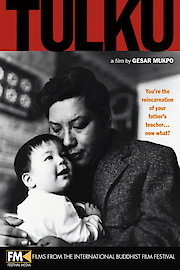
Tulku
 7.2/10
Where to Watch Tulku

Tulku, a rich and fascinating feature-length documentary released in 2009, explores the intricate and intriguing concept of reincarnation in Buddhist tradition and specifically, in Tibetan Buddhism. Directed by Gesar Mukpo, a proclaimed tulku, or recognized reincarnation of a previously enlightened being, the film provides a compelling insight into this unique tradition and life through a first-person perspective. As the son of Chögyam Trungpa Rinpoche, a significant figure in bringing Tibetan Buddhism to the West, Mukpo's personal journey of self-discovery enables viewers to witness a profound exploration of East-meets-West spirituality.
The movie presents an intimate view into the lives of five young Western men who were identified in childhood as being tulkus. Interestingly, four of these individuals, including Mukpo himself, were born to Western parents. The cast features an intriguing ensemble including Dylan Henderson and Ashoka Mukpo, both declared tulkus, allowing for a diversified perspective on the phenomenon.
A central narrative of Tulku is the complex relationship that the Western-born tulkus share with their Eastern spiritual heritage. Gesar Mukpo, having been declared a tulku at the age of three, has lived under the shadow of this knowledge throughout his life, grappling with the implications it has on his identity. Viewers get an opportunity to explore the challenges faced by these unique individuals as they try to reconcile their Western upbringing and individuality with the sacred, ancient Eastern tradition that recognizes them as reincarnations of enlightened masters.
The film unfolds as Mukpo visits the other tulkus, sharing personal experiences and discussing their shared predicament. Through their conversations, a compelling picture is painted of the cultural, spiritual and personal conflict they each experience. Uniquely positioned to bridge the gap between Western lifestyle and Eastern philosophies, these tulkus provide thought-provoking insights into their lived experiences, exploring themes such as personal identity, spirituality, and cultural heritage.
The movie brings forward questions about the source of spiritual authority- is it transmitted through reincarnation, as Tibetan Buddhism suggests, or is it earned through years of individual effort and understanding? Through their journeys from childhood to adulthood, these tulkus provoke discussions about the existence of inherent spiritual wisdom and enlightening capabilities- could they have been present at birth, or are they cultivated throughout life?
Tulku does an excellent job of handling the delicate balance between education and entertainment. The movie features pristine cinematography, capturing the magical air of the Tibetan landscape, and detailed interviews that delve deep into the psyche of these Western-born tulkus. It provides viewers with an enlightening perspective on a profound concept in Buddhism, intertwined with a cross-cultural experience that is as beautiful as it is jarring.
However, the film is not merely an exploration of spirituality or religion. At its core, it tells a universal story of identity and belonging. The narrative might revolve around a particular Buddhist tradition but transcends boundaries and relays a struggle that every individual can relate to, whether they are tulkus, ordained monastics, or lay Buddhists.
One of the strengths of Tulku is its neutral stance on the cultural and religious lines it portrays. The film does not seek to Westernize Tibetan Buddhism nor does it romanticize it, instead portraying reality through the experiences of its main subjects. This approach helps viewers gain a balanced understanding of Tibetan Buddhism and the tulku tradition.
Engaging, educational, and enlightening, Tulku is a significant addition to the genre of spiritual cinema. Infused with personal narratives of young Western-born tulkus, beautiful landscapes of monasteries in the East, and thought-provoking discussions on spirituality and culture, the film is sure to both entertain audiences and provoke reflection on the nature of identity, spiritual practice, and cross-culture experience. Whether you have a keen interest in Buddhism or are simply curious to understand different cultural experiences, Tulku presents a journey worth undertaking. For those interested in spiritual growth, personal identity, and cultural heritage, this movie offers an insightful exploration and a unique viewing experience.
7.2/10