

Tony Palmer's Classic Series - All You Need Is Love - Go Down Moses! - Songs Of War And Protest
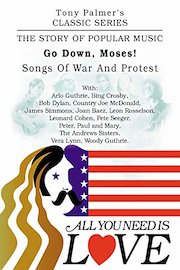
Tony Palmer's Classic Series - All You Need Is Love - Go Down Moses! - Songs Of War And Protest

Where to Watch Tony Palmer's Classic Series - All You Need Is Love - Go Down Moses! - Songs Of War And Protest

Tony Palmer's Classic Series - All You Need Is Love - Go Down Moses! - Songs Of War And Protest is a magnificent journey into the realm of politically-charged musical compositions throughout history. This factor sets this series apart from the typically mainstream, highlighting the infusion of rich political context and social issues within the fabric of music. Starring folk legend Arlo Guthrie and timeless crooner Bing Crosby, the series is the fourteenth episode in the acclaimed Tony Palmer 17-part series exploring the development and impact of popular music on society.
The episode "Go Down Moses! - Songs of War and Protest" specifically gravitates towards music serving as channels for war narratives and protests. It delves deep into the role of music as a medium of expression against injustices, inequality, and all the facets of war, particularly its aftermath on society and individuals. Music echoes the concerns, aspirations, protests, and revolutions of its era, and this episode compellingly captures that essence.
Arlo Guthrie, the iconic folk singer and Bing Crosby, an American singer and actor, known for his bass-baritone voice, serves as the powerhouses of this episode. They breathe life into the intricate narratives and episodes through their exceptional performances. Arlo Guthrie, with his rich lineage of folk and protest music, does a commendable job in representing the genre's raw authenticity. The son of Woody Guthrie, Arlo brings an intimate understanding of the socio-political contexts that influence and shape protest music, infusing that understanding into his performances. Think of songs like 'Alice’s Restaurant Massacree' and 'City of New Orleans,' Guthrie's most popular, and you understand his ability to weave stories within his music to stir his audience.
On the contrary to Guthrie's folk centric approach, Bing Crosby brings his brand of smooth popular music and traditional pop. Known as one of the best-selling recording artists of the 20th century, Bing's voice has a distinct quality that resounds through time. Bing's contributions to popular music and cultural dialogue have been significant; he was the first multi-media star and was influential across radio, recordings, and motion pictures. In this series, Bing's work around War World II reflects the emotions of a nation grappling with global conflict, giving a unique insight into the era. Bing's charmingly effortless and dynamic performances brought a degree of solace during times of unrest.
Director Tony Palmer's work is exceptionally articulate in threading the complex tapestry of war, protests, music, and society. Known for his documentaries involving music and musicians, Palmer effectively uses his expertise to produce an impactful narrative. His acute understanding of the relation between music and wider socio-political scenarios are showcased beautifully throughout the episode. He expertly intertwines historical contexts, individual stories, and poignant song performances to deliver a rich and immersive experience. Not just showcasing music as a form of protest, Palmer also manages to spotlight how wars influenced the popular music trends, creating an in-depth and multi-faceted look at the dynamic interchange between music, war, and protest.
Furthermore, the series boasts an impressive production value with high-quality footage and sound that enhance the viewer's immersive experience. Aesthetically designed sets infuse a certain timelessness into the whole narrative, blending elements of the past and present effortlessly. The filmography is not only geared towards the presentation of music performances but also registers the subtle nuances of the social and historical commentaries embedded within the narrative.
Go Down Moses! - Songs Of War And Protest is not just a collection of music performances. It is a lens through which we can glimpse the profound effect external societal forces have on music and vice versa. It is a testament to the power of music as a voice of the masses, as an amplifier of unheard stories, and a harbinger of change. This critical dive into the rabbit hole of war and protest songs promises an enlightening experience, making it a must-watch for music aficionados, history enthusiasts, and anyone seeking a deeper understanding of the intricate web that strings music, society, war, and protest together.