

The Port of Last Resort
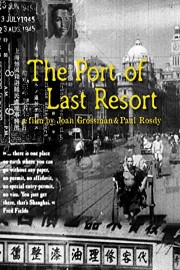
The Port of Last Resort
 7.4/10
Where to Watch The Port of Last Resort

The Port of Last Resort is a deeply poignant and compelling documentary film released in 1998 that explores a lesser-known chapter in history, the Shanghai Ghetto, a sanctuary city that provided refuge for about 20,000 Jews who had fled Europe during Nazi persecution.
Directed by Joan Grossman and Paul Rosdy, this movie offers a multilayered and introspective look into the lives of Jewish refugees who found shelter in Shanghai during World War II. The film casts a spotlight on four survivors; Fred Fields, Ernest Heppner, Illo Heppner, and Siegmar Simon, whose personal narratives bring the audience closer to the harsh realities of the wartime period.
Fred Fields, a resilient man who had to face ordeals as a result of the Nazi oppression, and managed eventually to make his way to the city of Shanghai. Joined by his wife and their child, Fred recounts an emotional and breathtaking journey fraught with uncertainty, all the while painting a vivid picture of life in the Shanghai Ghetto.
Ernest Heppner is another captivating protagonist who made this treacherous journey and lived to tell the tale. His wife, Illo Heppner, accompanies him. Through their stories, the audience is teleported back in time, feeling every emotion they go through - from despair and fear to hope and resilience. The harrowing adventures painted by the narratives of both Ernest and Illo stimulate vivid images of grit and survival against the bleakest of odds.
The movie weaves several threads into a broader tapestry, juxtaposing personal narratives with archival footage, photos, letters, documents, and even poignant Yiddish songs of that time. The rich and authentic portrayal allows the audience to experientially traverse through this unique sanctuary city where East met West amidst one of history's darkest hours.
The treatment of the story is incredibly delicate, portraying the grim realities of the time without compromising the deeper human essence of hope and survival. The incorporation of a vast collection of archived material adds to the historical significance and authenticity of the narrative, making it a must-watch for history enthusiasts and casual viewers alike.
Moreover, the film's deeply personal focus, exploring the lives, experiences, and perspectives of the individuals caught in this piece of history, deeply humanizes the much broader historical context. The complex depiction of the bittersweet experiences of the protagonists in the exotic yet harsh environment of Shanghai is incredibly captivating.
The Port of Last Resort’s narrative illustrates the old adage that truth can often be stranger than fiction. The story of these survivors underscores the fact that, despite the horrors of war and the worst that mankind can do, the indomitable spirit of hope and survival persists. It paints an intricate picture of how people caught in unthinkable circumstances rallied to make the most of the situation - leveraging that unique amalgamation of East and West to create a semblance of a normal life in the heart of chaos.
While the movie gives due attention to the cruel and tragic aspects of the period, it also spotlights the examples of bravery, resistance, adaptation, and sheer will to survive – highlighting the strength of the human spirit amidst dire adversity.
In its entirety, The Port of Last Resort is a powerful, evocative, and empathetic documentary that educates, informs, and inspires by shedding light on the lesser-known aspects of Jewish history during the Holocaust. It underscores the robust tenacity of human beings to survive and thrive despite facing the worst adversities imaginable.
7.4/10