

The Minotaur's Island
The Minotaur's Island

Where to Watch The Minotaur's Island

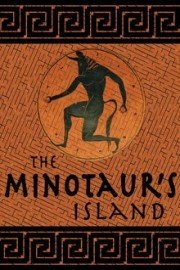
The Minotaur's Island is a captivating documentary film presented by the well-renowned historian and broadcaster, Bettany Hughes. This intriguing movie delves into the intriguing world of ancient Greek mythology, focusing particularly on the tale of the Minotaur, a creature with the body of a man and the head of a bull who lived within a labyrinth.
Often dismissed as purely a far-fetched mythological creature, The Minotaur's Island brings fresh light to the creature’s story, offering compelling evidence that it was born out of a civilization far more complex and technologically sophisticated than previously thought. Drawing upon the latest archaeological discoveries and blending them with gripping storytelling, the film manages to paint an enlightened picture of the world from which such legends evolved.
Bettany Hughes, known for her intellectual rigor and lucidity, takes the viewers on a thrilling journey, centering around the Mediterranean island of Crete, the supposed home of the Minotaur. It was here that the Minoans, one of the earliest European civilizations, thrived during the Bronze Age. Hughes explores the ancient Minoan society, their culture, architecture, belief system, and the lessons they offer us today about sustainability and civilization. She builds a compelling argument that the Minotaur symbolizes key aspects of their civilization.
Crete, which is home to the Palace of Knossos, offers the most significant archaeological evidence of the Minoan civilization. Hughes takes us directly to the site of these ancient ruins, where the monumental buildings and complex labyrinth-like layout have, for many years, been linked to the legend of the Minotaur's labyrinth. Moreover, excavations have unearthed frescoes of bull leaping, a practice that may have inspired the tale of the Minotaur and would have been part of ritualistic or entertainment activities of this incredibly advanced society.
Throughout the film, Hughes delves into the Minoans' artistic achievements, technological advancements, and societal structure. Her investigation also includes looks at other archaeological sites spread across the island and its surrounding waters, including villas, pottery workshops, and even an underwater town built in the middle of the Bronze Age. Within these surroundings, Hughes weaves together the threads of myth, history, culture, and archaeology to tell the intricate story of the Minoans.
Furthermore, The Minotaur's Island goes beyond the boundaries of Crete, exploring the influence and impact the Minoan civilization had on their contemporaries and successors in the larger Greek mainland and other regions of the Mediterranean. Many believe that echoes of the Minoan culture can be found in the later mythologies and traditions that shaped ancient Greece. Hughes explores these threads meticulously, giving us insights into how stories echo, evolve and endure across generations and distances.
What sets The Minotaur's Island apart is its persuasiveness, combined with Bettany Hughes' penetrating insight and the ability to relay complex ideas in an easily digestible form. She makes the past relevant and comprehensible to everyone, regardless of their historical knowledge or background. The presentation is beautiful, the narrative is engaging, and the exploration is thoroughly enlightening. In essence, she classical history and mythology and presents it in a gripping, contemporary narrative that both informs and entertains, taking us on a journey of understanding through time and legend.
In conclusion, The Minotaur's Island is much more than a film about a mythical creature or an ancient civilization. It's a riveting, visually stunning and thoroughly researched exploration of the roots of European civilization. It's a must-watch for anyone interested in history, archaeology, mythology, or just a notion of how ancient societies have influenced the world we live in today.