

The Mill on the Floss
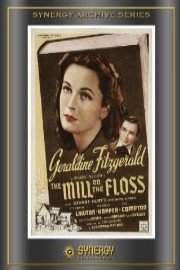
The Mill on the Floss

Where to Watch The Mill on the Floss

The Mill on the Floss is a classic British drama film that came out in 1936. This cinematically rich film is set in a rustic landscape, characterized by its charismatic storytelling approach and is directed by Tim Whelan. The movie features acclaimed actors such as Frank Lawton, Victoria Hopper, and Fay Compton, who deliver their roles with three-dimensional depth and bring the characters to life.
The film is based on one of George Eliot's beloved novels and adheres to the aesthetics of Victorian life. It is a poignant story of love, family ties, societal norms, and the heartrending choices one has to make when loyalties are tested.
The plot revolves around the Tulliver family, owners of Dorlcote Mill in Saint Ogg's, which has been inherited from generation to generation. This mill is a symbol of their dignity, pride, and means of livelihood. Frank Lawton plays Tom Tulliver, the headstrong and diligent son of the Tulliver family, who is hell-bent on saving their cherished mill from a forced sale due to a sudden financial downfall.
Victoria Hopper shines in her role as Maggie Tulliver, the rebellious, intelligent, and free-spirited sister of Tom. Blessed with natural beauty and a vivacious personality, Hopper masterfully portrays Maggie's journey of self-discovery, her thirst for freedom, and her unwavering love for her family and home. The complexity of Maggie's character is further heightened by the forbidden love she harbors for Philip Wakem, the son of a local lawyer, played flawlessly by James Mason in his screen debut.
Fay Compton, as Mrs. Tulliver, embodies the submissive, affectionate, and ever-worried mother who painfully navigates the familial discord exacerbated by their financial strife while trying to hold her family together.
The movie efficiently encapsulates the class-conscious Victorian Society and its social dynamics. It adeptly portrays the gendered expectations of the era, particularly the limited opportunities presented to women like Maggie who yearn for a life beyond domesticity. The struggle between conformity and individuality is also a recurrent theme.
Frank Lawton's portrayal of a young man striving to rectify his father's mistakes, honor the family legacy, and face societal expectations is heartfelt and impactful. His ambitious nature and strict sense of honor form a sharp contrast to his sister's free spirit and emotional spontaneity, leading to bitter rifts and unleashing a series of events that affect their lives dramatically.
Through her compelling narrative, director Tim Whelan offers a deep critique of a society poised between progress and tradition, while masterfully painting a vivid picture of sibling love and rivalry.
The screenplay brilliantly layers the story's romantic instances, filial sentiments, trials, and tribulations, providing a bittersweet taste of Victorian life. The cinematography also contributes significantly to the movie. It serves to elevate the narrative, the scenes of lush green meadows, river flows, the majestic mill, and the rustic atmosphere beautifully framing the narrative's happenings.
The Mill on the Floss is an emotionally stirring film that takes you on an unforgettable journey. It's more than just a tale of two siblings and their extraordinary love for each other. It's a mirror held up to a society grappling with social, economic, and emotional expectations and portrays how these pressures can sometimes lead to the greatest of sacrifices. At the same time, it provides a unique showcase of the human capacity for resilience and love, even in the face of adversity.
In conclusion, The Mill on the Floss, with its remarkable performances, compelling narrative, and visually appealing frames, successfully brings George Eliot's classic novel to life, allowing audiences to experience the characters' world in a visceral and moving way.