
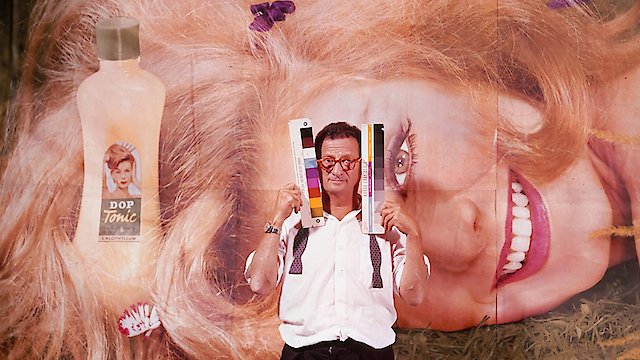
The Man Who Shot Beautiful Women
The Man Who Shot Beautiful Women
 6.5/10
Where to Watch The Man Who Shot Beautiful Women

The Man Who Shot Beautiful Women is a compelling documentary film from 2013 focused on a pioneering figure in the world of fashion photography. Directed by Nick Watson, this British documentary features interviews with notable personalities including Helaine Blumenfeld, Yorick Blumenfeld, and Amy Fine Collins. Through their testimonies combined with a rich archive of photographs and media, we witness the remarkable career, personal life, and the mysterious end of the infamous fashion photographer, Erwin Blumenfeld.
The film explores Erwin Blumenfeld's meteoric rise from being a struggling artist in pre-World War II Europe to becoming a leading name in fashion photography in the heart of post-war New York City. He was a pioneer in his field, lauded for creating striking images that managed to capture an underlying narrative while maintaining the aesthetic integrity of the photograph.
Helaine Blumenfeld, Erwin’s daughter-in-law and a renowned sculptor, and Yorick Blumenfeld, Erwin's son, provide incisive insights and personal anecdotes about the man himself. Their perspectives deliver a deeply humane understanding of Blumenfeld's motivations, his struggles, and his artistic genius. Through their eyes, we see a glimpse of the man behind the photographer, someone who helps shape the narrative of not only the beautiful women he took pictures of but also the medium of fashion photography itself.
Amy Fine Collins, a special correspondent at Vanity Fair and a respected author, provides the broader social and historical context of Blumenfeld's groundbreaking work. Collins successfully illustrates the photographer’s profound influence on contemporary visual production and fashion photography through her comprehensive understanding and appreciation of his oeuvre and place in history.
The title, "The Man Who Shot Beautiful Women," is not just about Blumenfeld's ability to capture the female form in pioneering ways. It is also a commentary on his obsession with the concept of beauty, both superficial and profound, and how it affected his personal life and professional career. The layered treatment of the subject adds depth to the narrative, and the viewers are given a nuanced perspective of the man’s life.
With a skillful blend of interviews, archival footage, and Blumenfeld's evocative photographs, the documentary invokes the glamour and abandon of the post-war fashion industry. Concurrently, it delves into the darker aspects of Blumenfeld's life – his personal turmoil towards the end of his career and his uneasy relationship with the notion of beauty that made him famous.
The Man Who Shot Beautiful Women showcases the complex dynamics of Blumenfeld's life. In doing so, it works on two distinct levels - as a biographical study of an intriguing individual and as an exploration of the evolving concepts of beauty, society, and media across different eras. This seamless merging of personal narrative with broader social commentary is one of the film's key strengths.
Another standout aspect of the film is the high-quality curation of archival materials featuring Blumenfeld’s works, letters, home videos, and rare photographs. These elements bring the story to life, turning it into a moving visual journey. The images are often overlaid with voiceovers from Blumenfeld's interviews, writings, and correspondences, creating an immersive experience.
The film also raises pertinent questions about the dichotomies that exist within the world of fashion – illuminating the site where beauty and despair co-exist, verbosity collides with silence, art meets commerce, and where an individual’s vision can both conform and divert from the norm.
In summary, The Man Who Shot Beautiful Women is a profound exploration of Erwin Blumenfeld's legendary career, an intimate portrait of a complex personality framed by the evolution of fashion photography in the 20th century. It is a must-watch for anyone interested in the history of photography, fashion, art, and a unique story of personal perseverance and artistic evolution. The film’s engaging narrative and aesthetic presentation make it a captivating viewing experience long after the credits roll.
6.5/10