

The Last Days
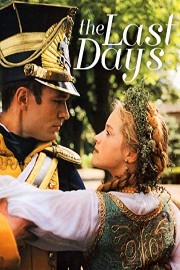
The Last Days
 7.9/10
 85/100
Where to Watch The Last Days

The Last Days, released in 1999 by the visionary filmmaker Wojciech Marczewski, stars acclaimed actors Boguslaw Linda and Michal Zebrowski with many striking performances. The film is a thoroughly engaging and insightful presentation of history, personal struggle, and political turmoil.
The movie beautifully interweaves the fate of its characters with the socio-political landscape of the pre-WWII era. Set in Poland, the narrative unveils the complex and intense realities of a nation and its people torn between subjugation and resistance. The powerful performances by Boguslaw Linda and Michal Zebrowski significantly enhance the cinematic experience, as they deftly portray the struggles, hopes, and dilemmas of their respective characters.
Boguslaw Linda, a revered figure in the Polish cinema, enthralls audiences with his portrayal of Jakub Goldberg, an accomplished middle-aged musician. Jakub, a sole staple in a world of uncertainties, holds an intriguingly complex personality, balancing an introspective nature with resilience. Linda's portrayal offers a rich understanding of his character's interior life, providing a compelling portrait of a man grappling with his circumstances amidst a fast-changing world.
Linda shares a brilliant on-screen chemistry with Michal Zebrowski, who portrays the young and idealistic Adam. Zebrowski's character is the epitome of youthful hope and fervor, personifying Poland's yearning for freedom and independence. Through Adam's interactions with Jakub, the film offers a profound exploration of the ideological conflict between the old and the new, idealism and realism, and richness and impoverishment.
Drenched in rich historic and cultural context, The Last Days offers a gripping interpretation of a nation on the brink of collapse and the struggle for survival of its people. It beautifully portrays the pervasive fear, despair, and courage that the Polish people exhibited during these challenging times. The film explores the intangible boundaries and humanistic intersections between the oppressors and the oppressed, the invaders and the natives.
Director Wojciech Marczewski skillfully molds his characters and storyline to complement the overarching historical narrative. His masterful storytelling, combined with immaculate cinematography, gracefully captures the bleak yet vibrant atmosphere of the pre-war period. The ambient, haunting soundtrack further amplifies the film's tense and charged atmosphere, whisking audiences to a rollercoaster ride of emotion.
The Last Days does not solely depend on historical facts or events. Instead, it ingeniously extrapolates the individual human experiences embedded in the broader national narrative. Through this striking contrast between the personal and the political, the film takes on a universal appeal that resonates well beyond the confines of its immediate setting.
The Last Days is not merely a wartime drama but an astute reflection of human nature during times of crises. It presents the viewers with the complexities of ideology, patriotism, personal preservation, and ethical quandaries faced by individuals in a world teetering on the edge of war.
Despite the tragic backdrop, the film does not entirely succumb to despair. It resonates with an underlying sense of optimism rooted in human resilience and the indomitable spirit of survival. Such moments of hushed hope, deftly captured and tenderly delivered, add a unique charm to the film, making it a memorable watch.
The Last Days is an insightful and poignant cinematic exploit that showcases the ability of Polish cinema to explore the depths of human psyche, social upheaval, and historical dynamics with subtlety and sensitivity. Bolstered by stellar performances from Boguslaw Linda and Michal Zebrowski, it offers an unflinching portrayal of the uncertainties, struggles, and hopes of a nation on the brink of war.
Overall, The Last Days is a gripping blend of personal narratives and historical context that prompts viewers to ponder the complexities of human nature and the dualities of life. It's an emotionally charged, richly imagined, and intensely ambivalent tale that's bound to leave viewers moved and introspective. While it may be set in a bygone era, its universal human themes remain relevant, its profound yearning for peace as poignant and sweeping today as it was back then.
7.9/1085/100