
The Invisible City: Kakuma
The Invisible City: Kakuma
 8.4/10
Where to Watch The Invisible City: Kakuma

The Invisible City: Kakuma (2016) is an impactful documentary film directed by Lieven Corthouts. The documentary vividly depicts the realities behind the cloud of media coverage about refugees and offers a unique glimpse of life inside Kakuma refugee camp in Kenya. The film presents a thought-provoking narrative about the lives, dreams, and the resilience of the people inhabiting the camp.
Located in the heart of the Turkana desert, the Kakuma refugee camp is home to over 185,000 people fleeing conflict or poverty in their homelands. Unlike transient tents seen in typical refugee camps, Kakuma features concrete schools, hospitals, and thriving businesses - a city on its own right, hence the film's title: The Invisible City.
An often unacknowledged fact about refugee camps is that many inhabitants spend the majority, if not all, of their lives in these settlements. This situation creates a unique predicament, as these places, designed as temporary homes, become permanent places of habitation. Corthouts uses this film to highlight this troubling aspect, showing the distress and uncertainty of the refugees, specifically children, who constitute a larger part of these settlements and grow up knowing no other life.
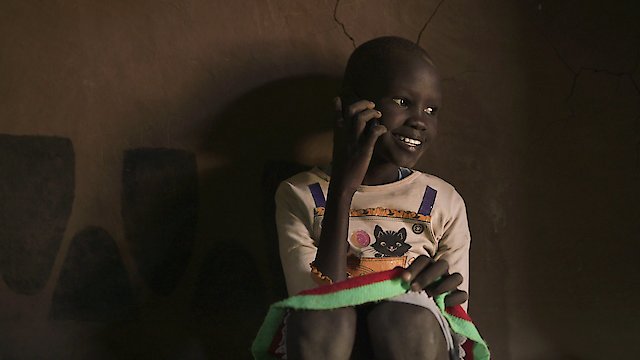
Invisible City: Kakuma is dedicated to presenting the pure form of these stories, untouched by westernized media romanticization of the refugee experience. The film provides a deeply humanizing approach to the refugee crisis by focusing on the individuals, particularly children, over the macro statistics and political controversies surrounding the issue. The narrative follows the lives of several children in the camp, portraying their heartening spirit, courage, determination, dreams, and resilience in the face of the harsh reality of their lives.
Lens of Corthouts reveal an unexpected aspect of life in Kakuma - a sense of community that can be seen in shared meals, religious observance, friendly competitions, and shared struggle. The film uses these shared experiences as a common thread to tell the tales of perseverance, fortitude, community spirit, and human empathy.
The Invisible City: Kakuma opens viewers' eyes to the fact that refugees are aspiring, vibrant people who, given the opportunity, will contribute significantly to the socio-economic development of any country. It avoids cinematically romanticizing the living conditions or simplifying hardships of the refugees. Instead, Corthouts represents the harsh realities of the camp in a way that is raw and affecting.
One of the striking features of the film is its cinematic aesthetic. Corthouts opts for a naturalistic, unfiltered approach to filming, steering clear of sensationalized headlines or stylized shots. The result is a gritty, grounded depiction of the resilience housed in the modest structures of the Kakuma camp. The documentary boasts of breathtaking landscapes interspersed with the stark, barren beauty of the Turkana desert, creating a solid, effective backdrop for the stories within the camp.
The film's score is notably effective in supplementing the atmospheric quality of the visuals. The soundtrack, while not abundant, punctuates the film's emotional crescendos, whether that comes in the form of a shared laugh over a football match or the quiet uncertainty of a future outside Kakuma.
Invisible City: Kakuma does not shy away from showcasing the problems within the camp, but it allows the inhabitants' hope and resilience to shine through. It places a strong emphasis on education as a lifeline, often the only opportunity to escape the hardships of the refugee life, underscoring how crucial it is for these children who are seeking opportunities to better their existence.
In conclusion, The Invisible City: Kakuma presents a vivid and personal look into the lives of refugees, challenging external stereotypes to highlight the human strength and spirit encased within the stark walls of the Kakuma camp. A documentary that carries an emotional gamut and an undeniable message, the film explores an aspect of human existence that is often overlooked but feels intensely real once presented on screen. This film is a must-see for individuals who seek a deeper understanding of the human side behind the headlines of the global refugee crisis.
8.4/10